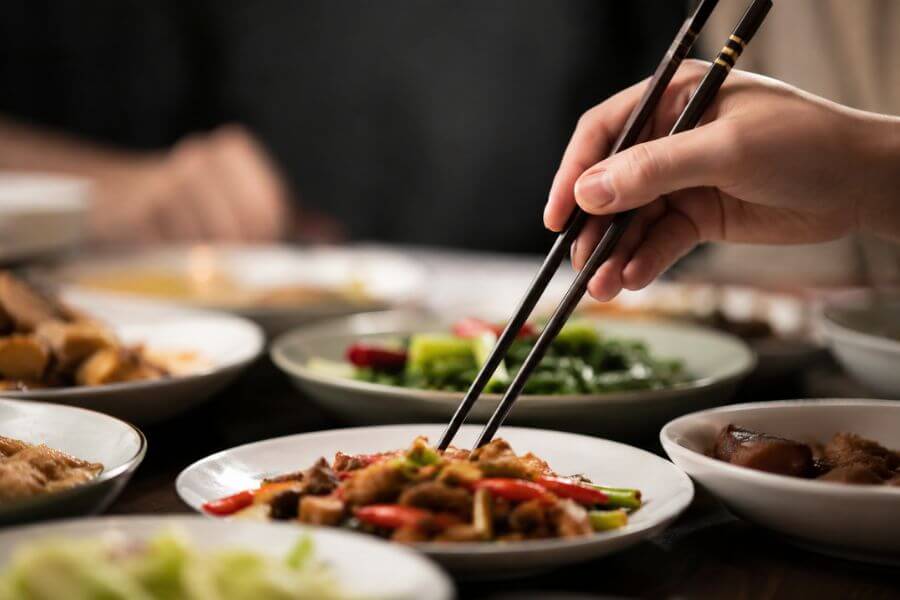
If you ever get invited to a Chinese dinner, you are getting more than just a meal. You are stepping into an important social experience built around respect, sharing, and tradition. Even casual dinners often follow unspoken rules that locals grow up learning from childhood.
The good news is that most Chinese hosts understand that foreigners may not know every custom. Still, avoiding a few common mistakes can help you make a great impression and feel more comfortable at the table.
In this guide, you will learn the biggest etiquette mistakes foreigners often make at a Chinese dinner table and what you should do instead. Whether you are attending a business banquet, a family gathering, or a friendly dinner, these tips can save you from awkward moments and help you enjoy the experience with confidence.
Quick Summary Table 📋
| Mistake | Why It Matters | Better Alternative |
|---|---|---|
| Sticking chopsticks upright in rice | Resembles funeral rituals | Rest chopsticks beside your bowl |
| Starting to eat too early | Seen as disrespectful to the host | Wait for the host or elders |
| Refusing food repeatedly | Can appear unfriendly | Politely accept a small amount |
| Taking the last piece immediately | May look selfish | Offer it to others first |
| Pouring your own tea first | Hospitality culture values serving others | Serve others before yourself |
| Using chopsticks incorrectly | Can seem rude or careless | Handle them calmly and neatly |
| Talking loudly about dislikes | May embarrass the host | Be polite and flexible |
| Drinking without joining toasts | Toasting is socially important | Participate respectfully |
| Ignoring seating arrangements | Seats often show status and respect | Wait to be guided |
| Leaving too early after eating | Meals are social events | Stay and chat for a while |
How We Ranked These Mistakes 🥢
We ranked these etiquette mistakes based on several important factors:
- How commonly foreigners make the mistake
- How rude the action may appear in Chinese culture
- How uncomfortable it can make the host feel
- How important the custom is during family or business dinners
- How easily the mistake can be avoided
- How often the behavior creates misunderstandings
- The social importance of dining traditions in China
1. Sticking Chopsticks Upright in Your Rice 🍚
This is probably the most famous Chinese dining mistake, yet many foreigners still do it without realizing the meaning behind it.
When you place chopsticks standing vertically inside a bowl of rice, it closely resembles incense sticks used during funerals and ancestor ceremonies. Because of this connection, many Chinese people see it as bad luck or even disrespectful.
You may simply be trying to free your hands for a moment, but the visual symbolism matters a lot in Chinese culture.
Instead, place your chopsticks neatly across your bowl or on the chopstick rest if one is provided. Even in modern restaurants, many people still take this tradition seriously.
If you accidentally do it, do not panic. Simply move the chopsticks and continue naturally.
2. Starting to Eat Before the Host or Elders 🍲
In many Chinese dinners, especially family meals and formal banquets, respect for elders and hosts is extremely important.
One common mistake foreigners make is immediately digging into the food as soon as it arrives. In China, it is polite to wait until the host invites everyone to eat or until the oldest person at the table starts first.
At business dinners, the host often controls the pace of the meal. Jumping in too early can make you appear impatient or overly casual.
If you are unsure, simply watch what others are doing. Waiting a few extra seconds is always safer than rushing ahead.
This small act shows patience, awareness, and respect for the group.
3. Refusing Food Too Strongly 🍖
Chinese hosts often show kindness and generosity by offering guests extra food. Sometimes, they may even place food directly into your bowl using serving chopsticks.
Foreigners sometimes reject these offers too directly because they want to be polite or because they are already full. Unfortunately, repeated refusal can sometimes seem cold or unfriendly.
In Chinese culture, sharing food is closely connected to hospitality and care.
You do not need to force yourself to overeat, but accepting a small portion is often appreciated. If you are truly full, decline gently with a smile and gratitude.
Saying you enjoyed the meal before refusing more food also softens the situation.
4. Taking the Last Piece Without Offering It to Others 🥟
At many Chinese dinner tables, the final piece of food carries surprising social importance.
Grabbing the last dumpling, shrimp, or slice of meat immediately may make you appear selfish or too eager. Even if nobody else wants it, it is polite to first offer it to the group.
You may hear people say things like, “Please, you take it,” several times before someone finally accepts.
This ritual is less about the food itself and more about showing modesty and consideration for others.
If you want the last piece, wait a moment and politely offer it around first. Very often, others will encourage you to take it anyway.
5. Pouring Drinks Only for Yourself 🍵
At Chinese dinners, especially traditional ones, serving others before yourself is considered good manners.
Many foreigners automatically pour tea, beer, or other drinks for themselves first because that is common in Western cultures. In China, this can sometimes appear self-centered.
Instead, pay attention to the cups around you. If someone nearby has an empty cup, offer to refill theirs before your own.
You may also notice people lightly tapping two fingers on the table after you pour tea for them. This is a silent gesture of thanks that has become popular in many parts of China.
Small actions like this help create a warm and respectful atmosphere at the table.
6. Pointing or Playing With Chopsticks 🥡
Chopsticks are not just eating tools in China. They are treated with a level of respect similar to table manners surrounding forks and knives in Western dining culture.
Foreigners sometimes point with chopsticks while talking, wave them around, drum on bowls, or stab food aggressively. These habits can seem childish or rude.
Another common mistake is passing food directly from chopsticks to chopsticks. This resembles a funeral custom connected to handling cremated bones.
The safest approach is simple:
- Use chopsticks calmly
- Avoid pointing at people
- Do not wave them around while speaking
- Place food onto a plate instead of transferring directly between chopsticks
Good chopstick manners quickly leave a positive impression.
7. Complaining Openly About the Food 🌶️
Chinese hosts often spend significant time, money, and effort preparing meals for guests. Publicly criticizing dishes, ingredients, or flavors can easily embarrass them.
Some foreigners make the mistake of loudly announcing things like:
- “I would never eat this back home.”
- “This smells strange.”
- “Why is this so spicy?”
Even if you are surprised by certain foods, reacting too negatively may damage the mood of the dinner.
You do not have to pretend to love everything, but showing curiosity and respect goes a long way. Trying at least a small bite is often appreciated.
If you truly cannot eat something, quietly and politely avoid it without creating attention.
8. Ignoring the Importance of Toasting 🍺
Toasting is a major social tradition at many Chinese dinners, especially business banquets and celebrations.
Foreigners sometimes make the mistake of staying silent while others toast, refusing every drink without explanation, or not understanding how the ritual works.
In China, toasts help build trust and friendship. People often stand, raise glasses, and say phrases like “Ganbei,” which roughly means “cheers” or “dry the cup.”
You are not always expected to finish the entire drink, especially today, but participating matters socially.
Another detail many foreigners miss is glass positioning. When clinking glasses with someone older or more senior, lowering your glass slightly below theirs shows respect.
Even if you do not drink alcohol, joining the toast with tea or juice is usually acceptable.
9. Sitting in the Wrong Seat 🪑
At formal Chinese dinners, seating arrangements are often carefully planned.
The seat facing the door or in the center is usually reserved for the guest of honor or the most senior person. Foreigners sometimes sit down randomly without realizing certain seats carry symbolic importance.
At business dinners, this can create awkward moments very quickly.
The best thing you can do is wait for guidance. Hosts will usually tell guests where to sit or subtly direct them.
Following the arrangement shows awareness and respect for hierarchy, which still plays a major role in many Chinese social settings.
10. Leaving Immediately After the Meal Ends 🚪
In some Western countries, people may leave shortly after finishing dinner. In China, meals are often as much about conversation and relationship building as the food itself.
Foreigners sometimes make the mistake of standing up and leaving right after eating, especially during group dinners.
Doing this may unintentionally signal boredom or disinterest.
Many Chinese dinners continue with tea, fruit, conversation, or relaxed chatting after the main meal. Staying a bit longer helps strengthen social connections.
You do not need to stay for hours, but avoiding a rushed exit is usually appreciated.
Conclusion 🎎
Chinese dining etiquette may seem complicated at first, but most customs come down to a few simple values: respect, generosity, patience, and group harmony.
You are not expected to behave perfectly, especially as a foreign guest. Most people will appreciate your effort far more than flawless manners. Simply showing curiosity, observing others, and staying polite can help you avoid most awkward situations.
The next time you sit down at a Chinese dinner table, remember that the meal is not only about eating. It is also about building relationships, showing respect, and sharing an experience together.
Once you understand that, the entire atmosphere becomes much easier to enjoy.
Frequently Asked Questions ❓
Is it rude to ask for a fork instead of chopsticks?
Not usually. Many restaurants in China are used to foreign visitors and can provide forks if needed. However, making a small effort with chopsticks is often appreciated and can create a friendlier atmosphere.
Why do Chinese people order so much food at restaurants?
Ordering many dishes is often a way to show generosity and hospitality. A table full of food reflects abundance and care for guests. Finishing every dish completely is less important than making sure everyone feels well fed.
Should you finish all the rice in your bowl?
It depends on the situation. Finishing your food can show appreciation, but leaving a tiny amount may signal that you were fully satisfied and the host provided enough food. Context matters, especially at formal dinners.
Is burping at the table acceptable in China?
Modern Chinese dining manners generally view loud burping as impolite, especially in cities and formal settings. Some outdated stereotypes exaggerate this behavior. Quiet and respectful table manners are still preferred.
What should you do if someone keeps refilling your drink?
This is usually a sign of friendliness and hospitality. If you do not want more, politely place your hand over the cup or gently say you are full. Most people will understand without offense.