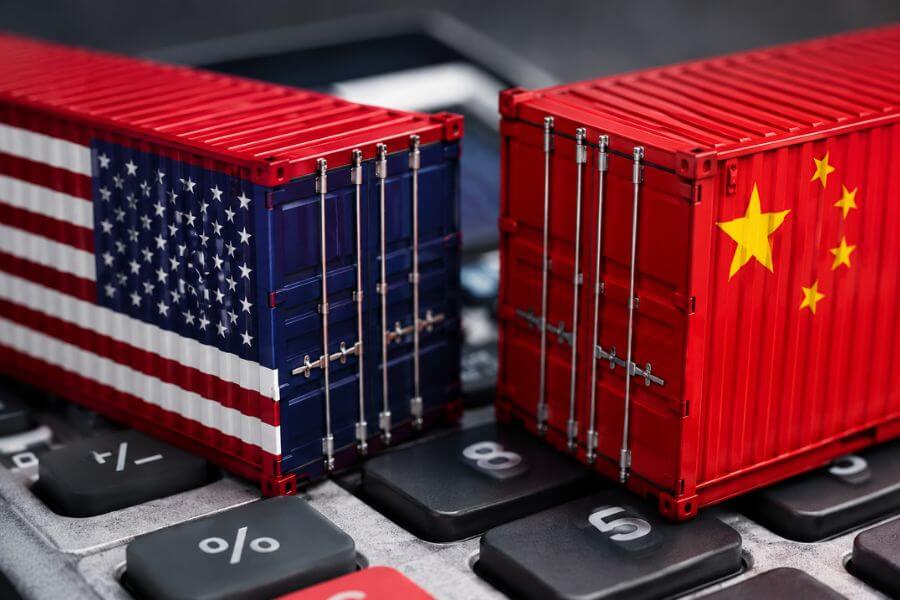
If it feels like your money is not going as far as it used to, tariffs may be one reason why. In 2025, trade tensions between the United States and China continue to influence the prices of thousands of everyday products. While tariffs are often discussed in political and economic news, their real impact shows up where most people notice it first: at the checkout counter.
Many products sold in the United States either come directly from China or rely on Chinese-made parts and materials. When tariffs increase the cost of importing those goods, businesses often pass at least some of those costs on to consumers. As a result, items you buy regularly may become more expensive, harder to find, or available in fewer options.
In this guide, you’ll learn the 10 biggest ways US-China tariffs in 2025 are affecting prices in your shopping cart and what it means for your everyday spending.
Quick Summary Table 📊
| Rank | Impact Area | How It Affects You |
|---|---|---|
| 1 | Electronics | Higher prices on phones, laptops, and accessories |
| 2 | Household Appliances | More expensive kitchen and home products |
| 3 | Clothing and Footwear | Rising prices for everyday apparel |
| 4 | Toys and Games | Increased costs for children’s products |
| 5 | Furniture | Higher prices for home furnishings |
| 6 | Auto Parts | More expensive vehicle repairs and maintenance |
| 7 | Home Improvement Products | Costlier tools and building materials |
| 8 | Small Business Goods | Fewer discounts and higher retail prices |
| 9 | Seasonal Products | Holiday items costing more than before |
| 10 | Everyday Consumer Goods | Small price increases across many categories |
How We Ranked These 🏆
We ranked these impacts based on the following factors:
- How commonly consumers purchase the products
- The extent of tariff exposure within the supply chain
- The likelihood that businesses pass costs to customers
- Overall effect on household budgets
- Availability of alternative suppliers
- Visibility of price increases to shoppers
- Influence on both online and in-store purchases
1. Electronics Are Becoming More Expensive 📱
Electronics remain one of the most visible categories affected by tariffs. Many smartphones, tablets, computer accessories, charging devices, and other consumer electronics either originate in China or rely on Chinese components.
Even when final assembly occurs elsewhere, manufacturers often source critical parts from Chinese suppliers. This means tariffs can increase production costs throughout the supply chain.
As a shopper, you may notice:
- Higher prices on laptops and tablets
- More expensive accessories such as chargers and headphones
- Fewer promotional discounts
- Delayed product launches
Technology companies may absorb some costs, but eventually many of those increases find their way into retail pricing.
2. Household Appliances Cost More Than Before 🏠
Your kitchen and laundry room are not immune to tariff-related price increases. Products such as microwaves, air fryers, coffee makers, vacuum cleaners, and small appliances often depend on Chinese manufacturing.
Manufacturers facing higher import costs frequently adjust retail prices to protect profit margins.
For consumers, this can mean:
- Paying more when replacing appliances
- Higher costs for appliance parts
- Reduced availability of budget-friendly models
- Fewer clearance sales
What once seemed like a simple replacement purchase can now require a larger budget.
3. Clothing and Footwear Prices Continue Rising 👕
While many apparel brands have diversified production beyond China, the country still plays a major role in textile manufacturing and supply chains.
Tariffs can affect:
- Fabrics
- Synthetic materials
- Zippers and fasteners
- Finished garments
- Athletic shoes
As costs rise throughout production networks, retailers may increase prices on everything from basic T-shirts to premium sneakers.
You might also see brands introducing fewer low-cost options than in previous years.
4. Toys and Games Are Taking a Hit 🎲
The toy industry remains heavily connected to Chinese manufacturing. A large percentage of toys sold in American stores are either made in China or rely on Chinese components.
Parents shopping for birthdays and holidays may notice:
- Higher toy prices
- More expensive board games
- Increased costs for educational products
- Higher prices on collectible items
Manufacturers often face limited alternatives because toy production requires specialized factories and supply chains built over decades.
5. Furniture Costs Keep Climbing 🛋️
Furniture prices have experienced pressure from multiple directions in recent years, and tariffs continue to add another layer of cost.
Many furniture products rely on:
- Metal components
- Hardware
- Upholstery materials
- Finished furniture imports
As import costs rise, retailers may increase prices on dining tables, sofas, desks, and bedroom furniture.
Consumers often notice the impact most when furnishing an entire home, where even modest increases can add hundreds of dollars to the final bill.
6. Vehicle Repairs Are Getting Pricier 🚗
Even if you’re not buying a new car, tariffs can affect your transportation budget.
Many automotive parts come from global supply chains that include Chinese manufacturers. When tariffs increase costs, repair shops and dealerships may pay more for replacement components.
This can result in:
- Higher repair bills
- Increased maintenance costs
- More expensive replacement parts
- Longer wait times for certain items
For households already dealing with rising transportation expenses, these added costs can be significant.
7. Home Improvement Projects Cost More 🔨
If you’re planning renovations or DIY projects, tariffs may increase the price of many products you need.
Examples include:
- Power tools
- Fasteners
- Lighting products
- Hardware
- Building materials
- Electrical components
Even small projects can become noticeably more expensive when multiple tariff-affected products are involved.
Many homeowners now find themselves adjusting project budgets to account for higher material costs.
8. Small Businesses Pass Along More Costs 💼
Small businesses often have less flexibility than large corporations when dealing with tariff-related expenses.
Unlike major retailers that can negotiate better supplier contracts, smaller companies may have no choice but to increase prices.
As a customer, this can mean:
- Higher prices at local shops
- Reduced discounts
- Smaller product selections
- Fewer promotional offers
These changes may not always be obvious, but they can gradually affect spending across many purchases.
9. Seasonal Products Are More Expensive 🎁
Holiday decorations, gift items, party supplies, and seasonal merchandise frequently depend on Chinese manufacturing.
When tariffs raise import costs, seasonal retailers often face a difficult choice between lowering profits and increasing prices.
Consumers may see:
- Costlier holiday decorations
- More expensive gift products
- Higher prices during peak shopping seasons
- Reduced inventory variety
Because these products are often purchased during short selling windows, retailers have limited time to absorb additional costs.
10. Small Price Increases Add Up Across Everyday Items 🧾
Perhaps the biggest impact is not one dramatic price increase but hundreds of smaller ones.
Tariffs can affect:
- Storage containers
- Kitchen accessories
- Pet products
- Office supplies
- Household goods
- Personal care accessories
Each individual increase may seem minor. However, when spread across dozens of purchases throughout the year, the total effect on household spending becomes much more noticeable.
Many consumers underestimate how these small increases accumulate over time.
Conclusion 🌎
US-China tariffs in 2025 continue to influence the prices of many products Americans buy every day. While the impact varies across industries, electronics, household appliances, furniture, toys, auto parts, and home improvement products remain among the most affected categories.
For shoppers, the result is often higher prices, fewer discounts, and reduced product choices. In many cases, the changes happen gradually, making them easy to overlook until household budgets begin to feel tighter.
Understanding how tariffs affect supply chains can help you make smarter purchasing decisions, compare alternatives, and plan larger purchases more effectively. While trade policies may seem distant from everyday life, their effects often show up directly in your shopping cart.
Frequently Asked Questions ❓
Do tariffs affect products that are not made in China?
Yes. Even products assembled in other countries may use Chinese-made components or raw materials. Tariffs can increase costs throughout the supply chain, affecting final prices.
Why don’t companies simply absorb tariff costs?
Some businesses absorb a portion of the costs temporarily. However, many companies eventually pass at least part of the expense to consumers to maintain profitability.
Are online shoppers affected by tariffs too?
Yes. Whether you shop online or in physical stores, retailers often adjust prices to reflect higher import and production costs.
Which product categories are least affected by US-China tariffs?
Products manufactured primarily within the United States or sourced from countries with limited dependence on Chinese supply chains may experience less direct impact.
Could prices decrease if tariffs are reduced in the future?
Potentially. Lower tariffs could reduce import costs, although retail prices may not always fall immediately because other factors, such as labor, transportation, and demand also influence pricing.