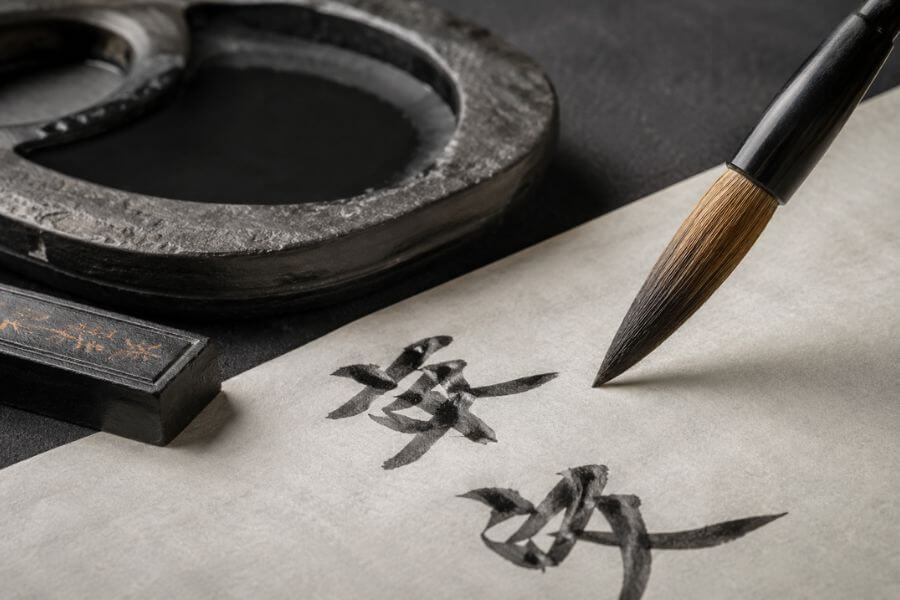
Chinese calligraphy is one of the oldest and most respected art forms in the world. It combines writing, creativity, patience, and personal expression into a single practice. Whether you want to learn traditional Chinese characters, improve your handwriting, or create beautiful artwork, having the right tools can make a huge difference.
As a beginner, it is easy to feel overwhelmed by the many brushes, papers, and accessories available. The good news is that you do not need hundreds of supplies to get started. A carefully selected set of essential tools will help you learn proper techniques and build confidence as you practice.
In this guide, you will discover the most important calligraphy tools for mastering Chinese script, what makes them valuable, and how each one can improve your writing journey.
Quick Summary Table 🖌️
| Tool | Best For | Importance Level |
|---|---|---|
| Chinese Calligraphy Brush | Creating strokes and characters | Essential |
| Ink Stick | Traditional ink preparation | Essential |
| Ink Stone | Grinding and mixing ink | Essential |
| Xuan Paper | Authentic calligraphy practice | Essential |
| Paperweight | Keeping paper stable | High |
| Brush Rest | Protecting brush tips | High |
| Water Dropper | Controlling ink consistency | High |
| Felt Mat | Supporting paper and ink absorption | High |
| Practice Grid Sheets | Learning character structure | Very High |
| Calligraphy Storage Box | Organizing tools | Moderate |
How We Ranked These 🏮
We evaluated these calligraphy tools using several important factors:
- Ease of use for beginners
- Importance in traditional Chinese calligraphy
- Impact on writing quality
- Durability and long-term value
- Ability to help improve technique
- Affordability for most learners
- Compatibility with different calligraphy styles
- Usefulness for both practice and advanced work
1. Chinese Calligraphy Brush 🐉
The brush is the heart of Chinese calligraphy. Every stroke, line, curve, and dot begins with this single tool. Without a quality brush, it becomes difficult to develop proper technique and control.
Chinese brushes are traditionally made from animal hair such as goat, wolf, rabbit, or mixed fibers. Each type offers a different balance of softness and firmness.
Soft brushes hold more ink and create flowing strokes. Firm brushes provide greater control and sharper details. Many beginners find mixed-hair brushes to be the easiest starting point because they combine flexibility with stability.
A good brush teaches you how pressure, angle, and movement affect each character. Over time, your brush becomes an extension of your hand, allowing you to express both precision and personality.
2. Ink Stick ⚫
The ink stick is one of the most iconic tools in traditional Chinese calligraphy. Made from soot and natural binders, it has been used for centuries by scholars and artists.
Instead of using pre-made liquid ink, calligraphers grind the ink stick against an ink stone with water. This process creates fresh ink that can be adjusted to different strengths and shades.
Preparing your own ink encourages patience and mindfulness. It also helps you develop a deeper appreciation for the art form.
Many experienced calligraphers believe that hand-ground ink produces richer tones and greater control than bottled alternatives.
3. Ink Stone 💎
An ink stone works alongside the ink stick. It serves as the surface where ink is ground and mixed.
A quality ink stone features a smooth grinding area that allows the ink stick to move evenly. This creates a consistent ink texture that improves writing quality.
Traditional ink stones are often crafted from natural stone and can last for generations when properly maintained.
Besides its practical purpose, the ink stone represents an important part of the Chinese artistic tradition. Many calligraphers view it as both a tool and a work of art.
4. Xuan Paper 🌿
Xuan paper, often called rice paper in the West, is the preferred paper for Chinese calligraphy.
Its unique absorbency allows ink to spread naturally while preserving the beauty of brush strokes. This characteristic helps create the elegant effects that make Chinese calligraphy so distinctive.
Different types of Xuan paper offer varying levels of absorbency. Beginners often benefit from semi-sized paper because it provides more control and reduces excessive ink spreading.
Using authentic calligraphy paper helps you understand how traditional materials interact with brush and ink.
5. Paperweight 🪨
A paperweight may seem simple, but it quickly becomes one of your most useful tools.
Calligraphy paper is typically lightweight and can shift during writing. Even small movements can affect character spacing and stroke accuracy.
Paperweights keep the paper flat and secure, allowing you to focus entirely on your brushwork.
Traditional paperweights are often made from stone, metal, wood, or ceramic and may feature beautiful decorative designs.
6. Brush Rest 🦢
A brush rest protects your brushes between writing sessions.
When a brush is placed directly on a table, the bristles can become bent or damaged. A brush rest elevates the brush and helps maintain its shape.
Proper brush care extends the life of your tools and ensures more consistent performance over time.
Many brush rests are beautifully crafted and add a touch of elegance to your workspace.
7. Water Dropper 💧
Water plays a critical role in Chinese calligraphy. The amount of water used when grinding ink directly affects ink density and writing performance.
A water dropper allows you to add water gradually and precisely.
This level of control helps you create ink that matches your desired style. Dark, concentrated ink produces bold strokes, while diluted ink can create softer and more expressive effects.
Although small, this tool contributes significantly to consistency and precision.
8. Felt Mat 🧵
A felt mat sits beneath your calligraphy paper and provides a stable writing surface.
It cushions the paper while absorbing excess moisture and ink. This creates smoother brush movement and helps prevent ink from bleeding onto your desk.
The felt mat also protects your workspace and improves the overall writing experience.
Many traditional calligraphy setups include a felt mat as a standard component because of its practical benefits.
9. Practice Grid Sheets 📐
Learning Chinese calligraphy requires understanding character proportions and balance.
Practice grid sheets provide structured guidelines that help you place strokes correctly and maintain consistent character sizes.
These sheets are especially useful for beginners who are still developing muscle memory and spatial awareness.
By using grids regularly, you can build stronger foundations and improve your overall character formation much faster.
Many instructors recommend grid practice before moving on to blank paper.
10. Calligraphy Storage Box 🎁
As your collection of brushes, paper, and accessories grows, organization becomes increasingly important.
A calligraphy storage box keeps your tools protected from dust, moisture, and accidental damage.
Proper storage helps preserve brush quality and extends the lifespan of your supplies.
Many traditional storage boxes are designed with separate compartments for brushes, ink sticks, ink stones, and other accessories, making it easy to maintain an organized workspace.
Conclusion 🌟
Mastering Chinese calligraphy begins with mastering the tools behind it. While skill ultimately comes from practice and dedication, the right equipment makes learning more enjoyable and effective.
A quality brush, ink stick, ink stone, and Xuan paper form the foundation of any calligraphy setup. Supporting tools such as paperweights, brush rests, felt mats, and practice grids help you develop better habits and improve your technique over time.
You do not need to purchase the most expensive supplies to begin. Start with the essentials, practice regularly, and gradually expand your collection as your skills grow. With patience and consistent effort, these traditional tools can help you create beautiful Chinese script that reflects both technique and personal expression.
Frequently Asked Questions ❓
How long does it take to learn Chinese calligraphy?
The basics can be learned within a few weeks of regular practice. Developing strong control, consistent character structure, and advanced artistic expression often takes several years.
Should beginners use bottled ink or an ink stick?
Bottled ink is more convenient for beginners and daily practice. However, learning to use an ink stick helps you understand traditional methods and provides greater control over ink consistency.
How often should I replace my calligraphy brushes?
A well-maintained brush can last for years. Replace it only when the bristles become damaged, lose their shape, or no longer hold ink effectively.
Can I practice Chinese calligraphy with regular printer paper?
You can practice basic strokes on printer paper, but it does not absorb ink properly. Xuan paper provides a much more authentic and effective learning experience.
What is the biggest mistake beginners make when learning calligraphy?
Many beginners focus on writing quickly instead of learning proper stroke order, brush control, and character balance. Slower, more deliberate practice usually leads to better long-term progress.