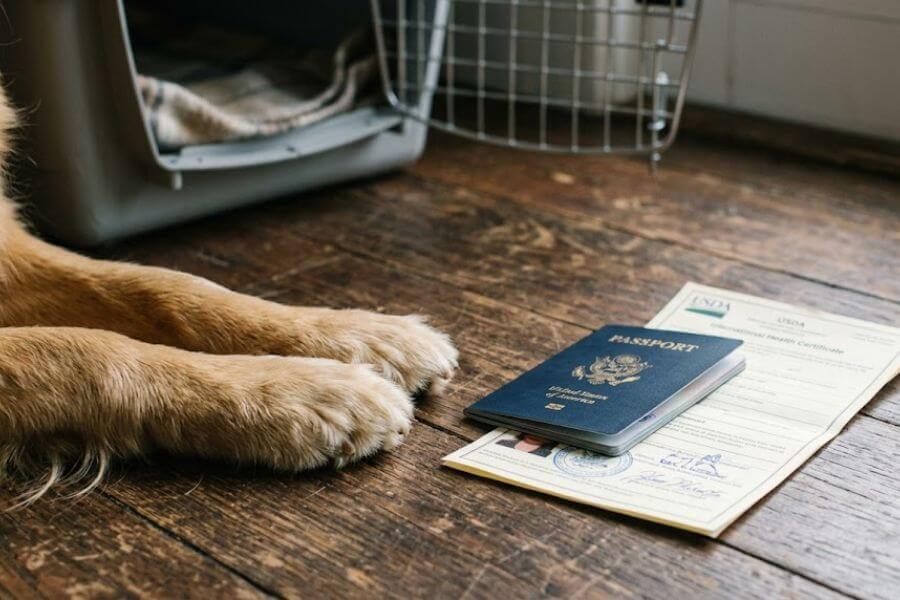
Moving your furry best friend across the globe can feel like a massive puzzle, but keeping your pet dog or cat by your side as you move from the United States to China is fully possible when you know the rules. The secret to a successful journey is starting early and following every single government rule in the exact right order. This detailed handbook will walk you through every document, vet visit, and airport step to ensure you and your pet arrive safely and legally without any unexpected separation.
Key Takeaways for Moving Your Pet to China
Before diving into the fine details, look at this quick summary of the absolute most important rules you must follow for your pet’s big journey.
- One Pet Per Person: The Chinese government only allows one pet dog or one pet cat per traveling human passport, so if you have multiple pets, you will need extra human helpers to fly with them.
- The No-Quarantine Secret: Your pet can skip the scary thirty-day isolation period completely if they have a special tracking chip, two lifetime rabies shots, a successful blood test, and official United States government paperwork.
- Strict Timing Windows: Your final international health certificate must be signed by a special government-approved vet and stamped by the United States government within fourteen days of your arrival in China.
- Approved Entry Ports: If your paperwork is perfect, you can land at any airport in China without your pet being locked away, but if something is missing, your pet must land at specific airports that have holding facilities.
- Crate Training is Crucial: Airlines have strict rules about the box your pet travels in, meaning you must buy a sturdy, well-ventilated carrier and help your pet feel completely at home inside it weeks before the flight.
Step One: The Mandatory Identification Microchip
The very first part of this journey does not involve medicine or plane tickets, but a tiny piece of technology. Every dog or cat entering China must have an electronic tracking chip placed under their skin so border guards can confirm their identity.
What is an ISO Compliant Microchip?
An ISO compliant chip is a tiny electronic tracker that follows global manufacturing rules. For international travel, this chip must have exactly fifteen digits and use a specific radio frequency. Think of it like a permanent name tag that never falls off. When a vet passes a special computer scanner over your pet’s shoulders, these fifteen numbers pop up on the screen. Border agents in China will scan your pet the minute you land, and those numbers must match every single line of your paperwork perfectly. If a single number is wrong or missing on your forms, the whole process stops.
Timing Your Pet’s Microchip Insertion
You must get this electronic chip put into your pet before they get their final rabies shots. If your pet gets a rabies vaccine before the chip is inside them, the Chinese government will not count that vaccine as valid. They want to be one hundred percent certain that the vaccine was given to the exact dog or cat named on the papers. If your pet already has a chip, your vet simply needs to scan it and write the number down on all future medical documents. If your pet does not have a chip yet, you can get it done during a normal vet visit. It feels just like a quick shot, and your pet will forget about it in a few seconds.
What if Your Pet Has a Different Kind of Chip?
Some older pets in the United States have chips that are only nine or ten digits long. These do not follow the international fifteen-digit rules. If your pet has one of these older trackers, you have two choices. Your first option is to ask your vet to insert a second, fifteen-digit international chip right next to the old one. This is safe and will not hurt your pet. Your second option is to buy your own handheld electronic chip reader from a pet store or website and carry it in your pocket throughout the entire journey. When you reach the border in China, you will hand your personal scanner to the customs officer so they can read your pet’s older chip.
Step Two: The Strict Rabies Vaccination Rules
China takes rabies very seriously, and they have some of the strictest rules in the world regarding how and when your pet gets their protective shots.
Why China Demands Two Rabies Shots
Most states in the United States only require one rabies shot every few years, but China requires your pet to have proof of at least two rabies shots given during their lifetime. These shots cannot be given on the same day. The government wants to see a history of protection. The most important thing to know is that the final, most recent rabies shot must be active and valid on the exact day you land in China. It also must be given at least thirty days before your travel date. You cannot get a shot a week before your flight and expect to board the plane.
The Timing and Deadlines You Must Follow
When planning your calendar, you need to look closely at expiration dates. Many vets in America give a three-year rabies vaccine to adult dogs and cats. While the United States recognizes these three-year shots, Chinese customs officials often prefer vaccines that were given within the last twelve months. To keep your pet perfectly safe from border issues, it is smart to make sure your pet’s last rabies shot was given more than thirty days ago but less than one year from your arrival date. If your pet’s current vaccine is older than a year, getting a fresh booster shot is the safest move.
Keeping Track of Your Paper Certificates
Every time your dog or cat gets a rabies shot, the vet gives you a signed paper certificate. You must guard these papers like gold. Do not throw away old certificates, because you need to prove your pet has had at least two shots in their life. These paper certificates must show the brand name of the vaccine, the company that made it, the serial or batch number, the date it was given, and the date it expires. The vet must sign these forms by hand using ink. Copies or digital prints on a phone will not work when you face the border guards.
Step Three: The Rabies Titer Blood Test
This step requires the most time and planning, so you must start it months before you buy plane tickets. The blood test proves that your pet’s body has built up a strong shield against rabies.
Understanding the Rabies Titer Test
A titer test is a specific laboratory test where a scientist looks at a small sample of your pet’s blood. They count the number of protective antibodies inside the blood to see how well the vaccine is working. China will only allow your pet to skip quarantine if their score is at least 0.5 International Units per milliliter. This test must be done after your pet has received their second rabies shot. Your vet will draw the blood and send it away in a special package to an official government-approved laboratory.
Approved Laboratories in the United States
You cannot use just any local lab for this step. The Chinese government only trusts a few specific laboratories in America to run this test. Your vet must send the blood sample to one of these locations:
- The Kansas State University Rabies Laboratory in Manhattan, Kansas.
- The Department of Defense Food Analysis and Diagnostic Laboratory in Fort Sam Houston, Texas.
- The Auburn University Virology Laboratory in Auburn, Alabama.
- The University of Missouri Veterinary Medical Diagnostic Laboratory in Columbia, Missouri.
- The Centers for Disease Control and Prevention in Atlanta, Georgia.
Most everyday family vets use the Kansas State University lab. You should double-check with your vet to make sure they are shipping the blood sample to one of these exact spots.
Waiting for the Results and Passing Score
It can take anywhere from three weeks to two months to get the official paper report back from the laboratory. The report will come printed on official paper with a lab stamp. This document will list your pet’s microchip number, the date the blood was taken, and the final score. Once the blood is drawn, this test paper is valid for exactly one year. You must travel within that twelve-month window. Keep the original paper report in your travel folder, as you will have to show it to the officers at the Chinese airport.
Step Four: The Other Required Vaccines for Dogs and Cats
While rabies is the main focus of the border guards, your pet needs other standard protective shots to stay healthy and meet airline and customs expectations.
Crucial Shots for Your Pet Dog
If you are moving a dog, they need protection against common dog sicknesses. Your vet should make sure your dog is up-to-date on their DA2PP or DAPP shot. This single vaccine protects your pup against four major problems: distemper, adenovirus, parvovirus, and parainfluenza. While Chinese customs might not always look at this certificate as closely as the rabies form, many airlines will refuse to let your dog board the plane if they do not have these standard protections. It is also wise to get your dog a shot against bordetella, which prevents dog cough when they are sharing air with other animals on the plane.
Essential Vaccines for Your Pet Cat
If your companion is a cat, they have their own set of required shots. Your cat must be fully vaccinated with the FVRCP vaccine. This combination shot protects your feline friend from feline viral rhinotracheitis, calicivirus, and panleukopenia. Just like with dogs, having these shots current keeps your cat safe from catching airborne bugs during travel and satisfies the safety rules of global airlines. Ensure the vet writes these vaccine names down clearly on your pet’s master medical history file.
Keeping All Medical Records Clear
To help you see how these medical rules fit together, look at this table that compares what dogs and cats need before they can leave for China.
| Requirement Type | What Your Dog Needs | What Your Cat Needs |
| Microchip Type | 15-digit ISO 11784/11785 | 15-digit ISO 11784/11785 |
| Microchip Timing | Must be put in before rabies shots | Must be put in before rabies shots |
| Rabies Vaccine Count | At least two shots in their lifetime | At least two shots in their lifetime |
| Rabies Blood Test | Score of 0.5 or higher from approved lab | Score of 0.5 or higher from approved lab |
| Other Core Vaccines | DA2PP (Distemper, Parvo, Adeno, Flu) | FVRCP (Rhinotracheitis, Calici, Panleukopenia) |
| Age Requirement | Must be at least three months old | Must be at least three months old |
Step Five: The International Veterinary Health Certificate
This is the golden ticket of pet travel. Without this specific government-stamped form, your pet cannot board the plane or enter China.
Finding a USDA Accredited Veterinarian
Not every neighborhood vet can sign international travel papers. You must find a vet who has completed special training with the United States Department of Agriculture, also known as the USDA. When you call your vet office, ask them directly if they have a USDA accredited vet on staff who knows how to use the electronic Veterinary Export Health Certification System. This online system allows your vet to send your pet’s papers straight to the government for approval without using the slow regular mail.
The Fourteen-Day Countdown Window
This is the trickiest part of the schedule. Your pet must be examined by the USDA vet, and the final health certificate must be issued within fourteen days of your arrival in China. Because flights across the ocean take a long time, you really only have about ten or eleven days in America to get this done. During this quick exam, the vet will check your pet’s ears, eyes, and heart to make sure they are strong enough to travel. They will also look for any signs of skin bugs or contagious sicknesses.
Getting the Official Government Endorsement
Once the vet finishes the exam and types all the info into the government computer system, the papers go to a regional USDA office. A government official will review your pet’s microchip number, vaccine dates, and blood test scores. If everything matches, they will print the final certificate, sign it, and place an embossed metal stamp or a secure digital signature on the page. You must print this fully endorsed document out in color. You need to carry the original physical document with you to the airport; a digital version on your laptop will be rejected by border control.
Step Six: Picking Your Airline and Booking the Flight
Once your pet’s medical schedule is set, you need to find a safe way to move them across the Pacific Ocean. Different airlines have completely different rules for four-legged passengers.
Choosing Pet-Friendly Airlines
Some airlines are much better at handling animals than others. Large international airlines that fly from major United States cities directly to China are usually your best option. It is smart to avoid flights with lots of connections, because every extra stop increases the risk of your pet getting stressed or left behind on the runway. Look for airlines that have special climate-controlled areas for animals and clear tracking systems so you can confirm your pet made it onto the plane.
Traveling in the Cabin Versus Cargo Travel
Depending on how big your pet is, they will travel in one of two ways. If you have a very small dog or a small cat, some airlines will let you bring them right into the passenger cabin. They must stay inside a small soft-sided bag under the seat in front of you for the whole flight. If your pet is too big to fit under a seat, they must travel in the cargo hold. Large airlines use a special section of the cargo hold that has the exact same air pressure, heat, and oxygen as the passenger cabin up above. This area is dark and quiet, which actually helps many pets fall asleep during the long trip.
Dealing with Weather Rules and Temperature Limits
If your pet is traveling in the cargo section, airlines watch the outdoor weather closely. If the temperature on the ground in your departure city or your destination city is too hot or too cold, the airline will cancel your pet’s ticket for their own safety. Most airlines will not fly pets if the ground temperature is over eighty-five degrees or under forty-five degrees Fahrenheit. This means if you are moving during the middle of a blazing hot summer or a freezing cold winter, you might have to change your flight times to late at night or early in the morning when the air is safer.
Step Seven: Buying and Readying the Travel Crate
Your pet’s travel box will be their bedroom and safe zone for many hours, so you must choose it carefully and prepare it according to international flight laws.
Finding the Right Crate Size
If your pet is flying in the cargo hold, they must use a rigid plastic crate that meets the rules of the International Air Transport Association. The most important rule is that your pet must be able to stand up straight without their head touching the ceiling, turn around completely in a circle, and lie down flat in a natural position. If your dog’s ears touch the top of the box when they stand up, the airport staff will refuse to let them fly. You should measure your pet from the tip of their nose to the base of their tail, and from the floor to the top of their head, then pick a crate that gives them several extra inches of space on all sides.
Upgrading the Crate for Safety and Comfort
Standard plastic crates from the pet store usually need a few quick upgrades before they are ready for an ocean crossing. You must ensure the crate door shuts securely with metal bolts rather than weak plastic clips. You need to attach two plastic bowls for food and water directly to the inside of the metal mesh door so airport workers can fill them up without opening the box. Line the floor of the crate with a thick, soft, highly absorbent pad or several layers of newspaper to catch any accidents during the long hours in the air.
Helping Your Pet Get Used to the Crate
You should never force your pet into a brand-new crate on the day of the flight. Buy the crate at least two months before your move. Leave the door wide open in your living room and put your pet’s favorite blankets, toys, and treats inside it. Let them explore it on their own terms. You can start feeding them their daily meals inside the box so they connect it with good things. Slowly practice closing the door for a few minutes at a time while you sit nearby. By the time moving day arrives, your pet should view the crate as a peaceful bedroom where they feel secure.
Step Eight: Flying Day and Arriving at the Airport
When the big day finally arrives, staying calm and organized will help your pet feel relaxed as you go through the busy airport environment.
What to Do Before Leaving for the Airport
Give your pet a small, light meal about five or six hours before you head to the airport. Do not give them a huge bowl of food right before the flight, because an overly full stomach can make them sick on a bumpy plane. Give them plenty of fresh water up until the final hour. Take your dog for a very long walk or play with your cat with their favorite string toy to burn off extra energy. The more tired your pet is, the more likely they are to sleep through the airport noise and the initial takeoff.
Checking in Your Pet at the Counter
Plan to arrive at the airport terminal at least four hours before your international flight. You cannot use the quick electronic check-in screens when traveling with an animal. You must go directly to the main ticket counter. The airline agent will carefully review your passport, your plane ticket, and your pet’s USDA health certificate. If your pet is flying in the cargo hold, the worker will weigh the animal inside their box and check all the metal latches. They will then attach special pink or bright green baggage tags to the crate before a trained handler takes your pet to the secure loading zone.
Surviving the Long Flight Across the Ocean
Once you board the plane, let the head flight attendant know that you have a pet traveling down in the cargo section. They can send a message to the captain to double-check that the climate controls and air systems in the belly of the plane are turned on and working perfectly. Try to rest during the flight, knowing that your pet is in a dark, temperature-controlled space designed to keep them secure. Avoid giving your pet any calming medicines or sleeping pills unless your vet explicitly told you to do so, because these drugs can be risky for animals when they are high up in the air.
Step Nine: Going Through Chinese Customs and Avoiding Quarantine
When your plane wheels touch down in China, you will enter the final, most crucial phase of the legal moving process.
Filling Out Your Customs Paperwork
As you exit the plane, you will walk toward the customs and border inspection area. You will receive a standard entry form where you must declare that you are bringing a live animal into the country. Look for the specific box that asks about pets, plants, or wildlife and mark it clearly. Never try to hide your pet or walk through the regular human exit lane without stopping at the inspection desk. Being completely honest and following the signs for animal inspection is the only legal path.
Meeting the Customs Officers for Inspection
You will collect your bags and your pet’s travel crate from the special baggage area. From there, you will walk to the General Administration of Customs desk. The officer will take your passport and your thick folder of pet documents. They will look closely at the following items:
- The original USDA international health certificate with the official government signature.
- The original paper rabies vaccination certificates showing at least two lifetime shots.
- The original laboratory report sheet with your pet’s passing titer test score.
- A clear color photograph of your pet printed out on a clean sheet of paper.
- A full photocopy of your own passport page.
The officer will use a handheld computer wand to scan your pet through the crate bars to verify their fifteen-digit chip number matches the numbers printed on your certificates.
What Happens if Your Pet Must Stay in Quarantine?
If you followed every point in this guide, your paperwork will be flawless, and the officer will hand your documents back and tell you that you are free to go. Your pet will walk out the airport doors with you right then and there. However, if your pet is missing their blood test report, or if you landed at an airport without the right paperwork, your pet will have to stay at a government holding center for thirty days. During this isolation period, government vets will watch your pet to ensure they are healthy. You will have to pay a daily fee for their food and care, and you will not be allowed to visit them until the thirty days are over. This is why getting your paperwork right ahead of time is so critical.
Step Ten: Registering Your Pet in Your New Chinese Neighborhood
Your legal duties do not stop when you walk out of the airport terminal. Just like in the United States, major cities in China have local laws regarding pet ownership.
Visiting the Local Police Station
Once you settle into your new apartment or house, you have exactly thirty days to register your pet dog with the local government. Cats usually do not need to be registered with the police, but dogs absolutely do. You must walk into the neighborhood police station holding your lease agreement, your passport with your Chinese visa, and the customs entry paper you received at the airport. Let the officers know you have moved a dog into the area and need to complete the local registration forms.
Getting a Chinese Pet License
The police or the local animal control office will review your apartment size and your dog’s breed. Some giant cities like Shanghai or Beijing have strict rules against keeping very large dogs or specific protective breeds inside small city apartments. If your dog is approved, you will pay a small annual fee and receive a hard plastic pet license card or a special registration tag for your dog’s collar. Carrying this card when you walk your dog down the street ensures you are fully legal and safe from any neighborhood fines.
Finding a Great Local Veterinarian in China
The final piece of the puzzle is finding a high-quality animal hospital in your new Chinese neighborhood. Look for a clinic where the doctors speak English and have experience treating pets belonging to international residents. Take your pet in for a relaxed introductory visit and hand the new vet a copy of your American medical files. They can help you stay on track with local booster shots and ensure your pet’s health remains perfect as you enjoy your new global adventure together.
Frequently Asked Questions About Moving Pets to China
Can I bring more than one dog or cat with me when I fly to China?
No, the Chinese customs law allows exactly one pet per traveling adult passport. If you are moving with two cats, you must have a second human friend or family member fly with you, and that person must use their own passport to register the second cat at the customs desk. If you try to bring two pets on a single passport, the second animal will be rejected at the border and sent back to America at your expense.
Does my pet need to spend thirty days in a quarantine center after landing?
Your pet can completely avoid the thirty-day isolation period if you follow the strict medical rules. They must have an international fifteen-digit identification chip, proof of two lifetime rabies shots, a successful blood test score from an approved laboratory like Kansas State University, and a stamped health certificate from the USDA. If all these items are present and correct, your pet will be released to you immediately at the airport.
What happens if my dog or cat fails the rabies titer blood test?
If your pet’s blood test score comes back lower than 0.5 International Units per milliliter, it means their body has not built up enough protection against the virus. If this happens, do not panic. You simply need to take your pet back to your local vet for a fresh rabies booster shot. Wait about three or four weeks after the booster shot to let their body build up antibodies, then have the vet draw a new blood sample and send it back to the lab for a second try.
Will the airline let my flat-faced dog or cat fly to China?
Many airlines have total bans on flat-faced animals like pugs, bulldogs, or Persian cats traveling in the cargo hold. Because of their short nose passages, these specific breeds can have a very hard time breathing when they get stressed or hot. If you own a short-nosed pet, you must look for an airline that allows small pets to travel directly inside the passenger cabin under the seat, or look into hiring a specialized international animal shipping company that uses custom temperature vans and routes.
How much money does it cost to legally move a pet from the United States to China?
Moving a pet across the ocean requires a significant budget. When you add up the fees for the international microchip, the two rabies shots, the specialized laboratory blood test, the USDA vet exams, the government stamp, the approved shipping crate, and the airline’s animal ticket, the total cost usually runs between one thousand and three thousand American dollars. Starting your savings plan early will help ensure you can afford every single protective step for your companion.
Can my pet fly to China as unaccompanied air cargo without me on the plane?
Yes, it is legally possible to send your pet to China on a separate plane as manifest cargo, but it requires much more paperwork. You will need to hire a licensed international pet relocation agency to handle the loading in America and the customs clearance in China. The border guards will still require the exact same microchip, vaccine history, and USDA documents, and someone must be waiting at the Chinese airport with a copy of your passport to claim the animal upon arrival.
How old does a puppy or kitten have to be before they can move to China?
Your puppy or kitten must be at least three months old before they can legally cross the Chinese border. This age limit exists because young animals cannot safely receive their primary rabies vaccinations until they are twelve weeks old, and China requires a thirty-day waiting period after the final vaccine before travel. Trying to bring an extremely young puppy or kitten will result in immediate customs issues at the airport.
Do I need to bring my own pet food with me on the plane to China?
You should pack a small bag of your pet’s normal dry kibble or a few treats in your carry-on bag for the flight, but you cannot bring large quantities of meat-based pet food across the Chinese border due to agricultural safety laws. Pack enough food for the travel day itself. Once you land in China, you will find that major international pet food brands are widely available in big city grocery stores, local pet shops, and through popular Chinese online shopping applications.