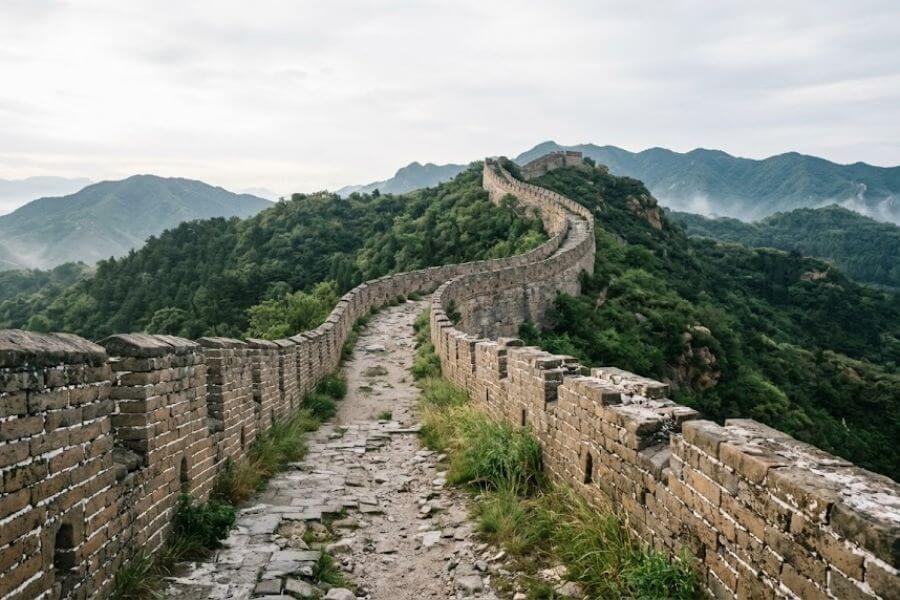
Key Takeaways for Your Crowd-Free Adventure
If you want the short version of how to explore this ancient wonder without bumping shoulders with thousands of tourists, here are the core secrets:
- Skip Badaling entirely: This section is the most famous, but it is also a giant tourist trap with massive crowds.
- Head to Jinshanling or Jiankou: These areas offer the wild, authentic, and quiet views you are looking for.
- Timing is everything: Arrive at the gates by sunrise or wait until the late afternoon when the tour buses leave.
- Travel in the off-season: Late autumn and winter bring crisp weather and completely empty paths.
- Hire a local driver: Public buses can be tricky and slow, while a private driver gets you to the quiet spots early.
Introduction: The Secret to Having the Wall to Yourself
You have seen the photos online. A beautiful stone wall snakes across green mountains as far as the eye can see. It looks peaceful, ancient, and magical. Then you look at a different photo taken during a holiday. Suddenly, that beautiful stone wall is hidden beneath a sea of brightly colored hats, selfies, and thousands of tourists packed like sardines.
That second picture is the reality for millions of people who visit the Great Wall every year. But it does not have to be your reality. You can still experience the magic of this ancient world wonder without the noisy crowds. In 2026, the secret is all about choosing the right section, arriving at the right time, and knowing a few insider tricks. Let us dive straight into how you can walk this incredible monument in total peace.
The Big Mistake Everyone Makes: The Badaling Trap
When most people book a trip to Beijing, they tell their hotel or tour guide that they just want to see the Great Wall. Ninety percent of the time, this means they get sent straight to a section called Badaling.
Why Badaling is So Crowded
Badaling is the most restored part of the wall. It has smooth steps, handrails, and it is very close to the center of Beijing. Because it is so accessible, every single tour bus, cruise ship group, and massive school trip goes there. On a busy weekend or during a national holiday, Badaling can welcome tens of thousands of visitors in a single day. You will spend more time looking at the back of someone else’s head than looking at history.
The Commercial Holiday Vibe
Around Badaling, the area feels more like an amusement park than an ancient monument. There are fast-food restaurants, souvenir stalls selling plastic toys, and loud speakers playing announcements. If you want a deep, meaningful connection with history, you will not find it here. To get that lonely, peaceful feeling, you need to look a little further down the map.
Choose Your Adventure: The Quiet Sections of the Wall
The Great Wall is not just one single line of stone. It is a massive network of walls, towers, and forts built over hundreds of years. Different sections offer completely different experiences. Here are the best spots to visit if you want to avoid the crowds completely.
Mutianyu: The Best Option for Beginners and Families
If you are traveling with younger children or grandparents, you still need a place that is safe and easy to walk. Mutianyu is the perfect middle-ground option. It is fully restored like Badaling, but it gets a fraction of the crowds.
- The Cable Car Advantage: You can ride a comfortable cable car all the way to the top of the mountain, which saves your energy for walking on the actual wall.
- The Toboggan Slide: To get down, you can ride a wheeled sled down a long, winding metal track. It is incredibly fun for kids and adults alike.
- How to Avoid the Crowds Here: Even though Mutianyu is quieter than Badaling, it still gets busy around lunchtime. If you arrive right when the park opens at seven thirty in the morning, you will have about two hours of absolute quiet before the big groups show up.
Jinshanling: The Photographer’s Dream
For anyone who wants those classic, breathtaking views with zero people in the background, Jinshanling is the top choice. It is located about two and a half hours away from Beijing, which is just far enough to scare away the lazy tourists.
- Stunning Watchtowers: Jinshanling has some of the most beautiful and unique watchtowers on the entire wall. Some are two stories tall, and many still have ancient brick carvings.
- The Wild Vibe: Half of this section is restored, while the other half is left in its crumbling, natural state. This gives you a taste of both worlds.
- The Crowd Level: On an average weekday, you might only see twenty or thirty other people during your entire hike. It feels like your own private park.
Jiankou: The Wild and Adventurous Hike
If you are an experienced hiker and you want an exciting challenge, Jiankou is the ultimate crowd-free zone. This section is completely unrestored, meaning it is exactly how time left it.
- Nature Taking Over: Trees and bushes grow right out of the stone pathways. The walls are cracked, and some parts have completely collapsed.
- Steep Climbs: Jiankou is famous for its vertical climbs, including the famous Sky Stairs. It requires using your hands and feet to scramble up the rocks.
- Safety First: Because this section is completely wild, there are no park rangers, no handrails, and no safety nets. It is not suitable for young children or anyone afraid of heights. But if you can handle it, you will likely be the only person there.
Simatai: The Nighttime Experience
Simatai is unique because it is the only section of the Great Wall that is lit up at night. It sits right next to a beautiful, traditional style water town called Gubei Water Town.
- Lantern-Lit Paths: Walking the wall under the stars with soft golden lights illuminating the stone is an unforgettable experience.
- Controlled Crowds: The park limits the number of people allowed on the wall at night, so it never feels packed.
- The Atmosphere: The combination of the quiet night air, the glowing towers, and the view of the lit-up water town below makes this a romantic and peaceful choice.
Section Comparison Table
| Wall Section | Distance from Beijing | Walk Difficulty | Best For | Crowd Level |
| Badaling | 1 hour | Easy | Nobody (Too Busy) | Extremely High |
| Mutianyu | 1.5 hours | Medium | Families and Kids | Medium |
| Jinshanling | 2.5 hours | Medium to Hard | Photographers | Very Low |
| Jiankou | 2.5 hours | Very Hard | Serious Hikers | Almost Zero |
| Simatai | 2 hours | Medium | Night Walks | Low |
Master the Clock: The Best Times to Visit
Even if you choose a quieter section like Mutianyu, your timing can make or break your trip. If you show up at eleven o’clock in the morning on a Saturday, you will still run into crowds. You need to master the clock.
The Early Bird Strategy
The golden rule of crowd-free travel is to beat the tour buses. Most tour groups leave central Beijing hotels between seven and eight in the morning. That means they arrive at the wall around nine thirty or ten o’clock.
If you hire a private driver and leave your hotel at five thirty in the morning, you can be at the ticket gate right when it opens. Walking the wall at eight in the morning is a completely different experience. The air is cool, the morning mist is still lifting off the mountains, and you will hear nothing but birds singing.
The Afternoon Shift
If you are not an early riser, the second-best option is to go late. Most tour groups wrap up their walking by two o’clock in the afternoon so they can head back to the city for dinner or shopping.
If you arrive at the wall around three in the afternoon, you will catch the mass exodus of people leaving. By four o’clock, the wall empties out completely. You can enjoy the golden hour light as the sun begins to set, which makes for incredible photos. Just make sure you know when the last cable car or bus leaves so you do not get stranded.
Seasonal Secrets: When to Book Your Trip
The time of year you choose to travel to China plays a massive role in how many people you will share the wall with.
Autumn: The Golden Window
Late October and early November are arguably the best times to visit. The blistering summer heat is gone, and the freezing winter winds have not yet started. More importantly, the hillsides turn into a brilliant sea of red, orange, and yellow leaves. Since it is past the peak summer travel season, the student groups and holiday crowds are gone.
Winter: The Snowy Wonderland
If you truly want to be alone, go in December, January, or February. Winter in the mountains north of Beijing is freezing cold, with temperatures often dropping well below freezing.
Because of the cold weather, casual tourists stay away. If you bundle up in a heavy coat, thick gloves, and a warm hat, you can walk for miles without seeing another human soul. If you are lucky enough to visit after a snowfall, the sight of the white snow dusting the ancient gray stones is absolutely breathtaking. Just be careful, as the stone steps can become very slippery.
Spring: The Cherry Blossom Peak
Early spring, specifically late March and April, brings beautiful pink and white blossoms to the mountainsides. It is a gorgeous time for a walk, but you must be careful with your calendar. Avoid the early April tomb-sweeping holiday, as local families use this long weekend to travel.
Summer: The Season to Avoid
June, July, and August are the peak vacation months for schools in China. Millions of families travel during this time. The weather is also hot, humid, and rainy. If you must visit in the summer, your only chance for a crowd-free experience is the super early morning strategy.
Crucial Calendar Alerts: Dates to Avoid at All Costs
There are certain days of the year when you should not go near the Great Wall, no matter how quiet the section claims to be. China has several national holidays where hundreds of millions of people travel at the same time.
Golden Week (Early October)
The first week of October is National Day Holiday, often called Golden Week. Nearly the entire country gets a week off from work and school. Trains, planes, hotels, and tourist sites are packed to maximum capacity. Visiting the Great Wall during this week means you will be stuck in human traffic jams for hours.
Labor Day Holiday (Early May)
Similar to Golden Week, the days around May first form another long holiday weekend. The spring weather is perfect, which encourages everyone to head outdoors. The wall becomes incredibly busy during this time.
Chinese New Year (January or February)
The dates change every year based on the lunar calendar, but this is the biggest family holiday in China. While many people stay home with family, the days immediately following the New Year see huge crowds at major historic sites. Many shops and local transport options also close down, making travel much more complicated.
How to Get to the Quiet Spots Safely and Easily
Getting to the distant, peaceful sections of the wall requires a bit of planning. You cannot just hop on the subway and arrive at Jinshanling. You have a few choices depending on your budget and comfort level.
Hiring a Private Driver
This is the most expensive option, but it is by far the best way to guarantee a crowd-free day. You can arrange a driver through your hotel or a reputable online travel agency.
- Custom Schedule: You choose exactly when the driver picks you up. You can set the alarm for five in the morning to beat the rush.
- Door-to-File Service: The driver drops you off right at the ticket center and waits for you in the parking lot while you hike. You can leave your extra bags and heavy jackets in the car.
- No Stress: You do not have to worry about missing the last bus or reading signs in a foreign language.
Using the Tourist Express Buses
For sections like Mutianyu, there are special direct tourist buses that leave from specific subway stations in Beijing early in the morning.
- Affordable: These buses cost a fraction of the price of a private driver.
- Direct Routes: They go straight to the wall without making dozens of local stops along the way.
- The Downside: They run on a strict schedule. They usually leave Beijing around eight in the morning, which means you will arrive right at the same time as the other early tour groups. It is still better than arriving at noon, but it is not as empty as going with a private driver.
Smart Packing Checklist for Remote Sections
The quiet sections of the wall do not have convenience stores, vending machines, or restaurants every few feet. Once you are out on the stone pathways, you are on your own. You need to pack smartly.
- Plenty of Water: Climbing the steep steps is a serious workout. Bring more water than you think you need, especially since there are no shops on the wild sections.
- High-Energy Snacks: Pack nuts, fruit, granola bars, or sandwiches. Having a quiet picnic inside an ancient watchtower with no one else around is a wonderful experience.
- Good Hiking Shoes: The stones can be uneven, smooth, loose, or slippery. Leave the sandals and fashion sneakers at your hotel. You need shoes with excellent grip and ankle support.
- Layers of Clothing: The weather in the mountains can change quickly. It might feel freezing when you start at dawn, but you will heat up quickly once you start climbing. Wear clothes you can easily zip off or pack away.
- A Portable Phone Charger: Cold weather and constant photo-taking will drain your phone battery fast. You will need your phone for maps, translation apps, and capturing those beautiful crowd-free memories.
Frequently Asked Questions
Can I camp overnight on the Great Wall to see the sunrise without crowds?
Official park rules strictly forbid camping on the restored sections of the Great Wall, such as Mutianyu, Badaling, and Jinshanling. This is to protect the ancient structure from damage, litter, and fire hazards.
However, some local guesthouses located right at the base of the mountains in Jinshanling or Jiankou can arrange legal, early morning access. By staying overnight in a village next to the wall, you can wake up at four in the morning and hike up to a safe watchtower just in time to watch the sun rise over the mountains before any other tourists arrive.
Are the quiet sections safe for young children?
Mutianyu is incredibly safe and highly recommended for families with young children. The stone pathways are wide, well-maintained, and feature protective walls on both sides. The option to take a cable car up and a fun toboggan sled down makes it an exciting adventure for kids without wearing out their little legs.
On the other hand, wild sections like Jiankou are absolutely not safe for young children. Those areas have steep drops, crumbling stones, no handrails, and require actual rock climbing. Stick to Mutianyu or the restored parts of Jinshanling if you are traveling with family.
Do I need to book tickets in advance for the quiet sections?
Yes, in 2026, almost all sections of the Great Wall require online ticket booking in advance. China has modernized its tourist tracking system, and many sites have daily visitor limits to prevent overcrowding and protect the monuments.
Even for quieter areas like Jinshanling, it is smart to book your tickets a few days in advance through official travel platforms or with the help of your hotel concierge. You will need to provide your passport information when booking, as your passport acts as your entry ticket at the gate scanners.
What should I do if a sudden storm hits while I am on a remote section?
The weather in the mountains can change rapidly. If you see dark clouds or hear thunder while walking on a remote or unrestored section like Jiankou, you should immediately head down to the nearest watchtower or exit path.
The Great Wall is built on high mountain ridges, making it a prime target for lightning strikes. The stone steps also become dangerously slick when wet. Watchtowers offer solid stone shelter from rain and wind, but your ultimate goal should be getting off the elevated wall structure as quickly and safely as possible. Always check the local weather forecast before you leave Beijing.