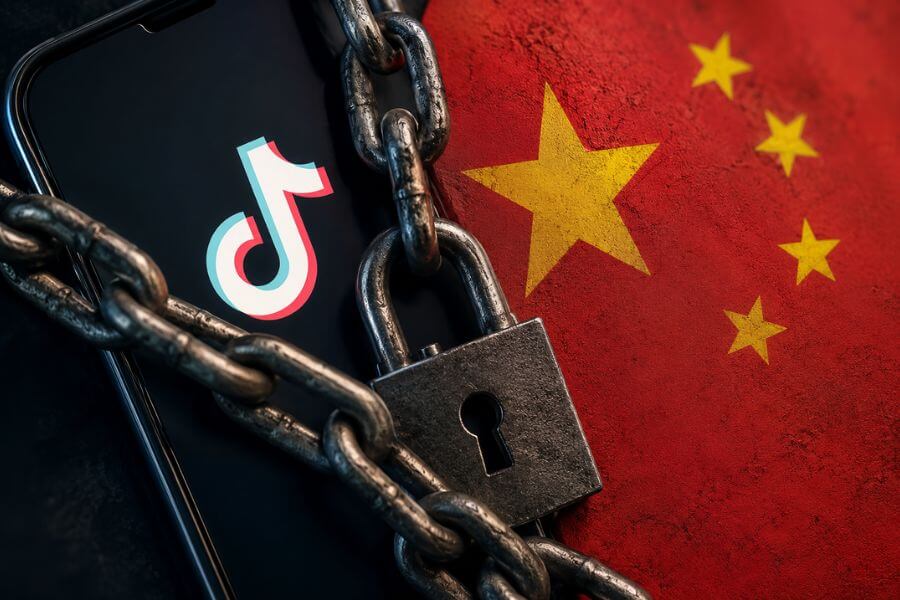
Few social media stories have had as much global impact as the ongoing TikTok ban battle. What started as a debate about national security and data privacy has grown into a major turning point for the entire social media industry. Governments, technology companies, content creators, advertisers, and everyday users are all feeling the effects.
Whether TikTok remains fully available in certain markets or faces restrictions, the conversation has already changed how social media platforms operate. New regulations are emerging, competitors are adapting their strategies, and users are becoming more aware of where their data goes.
If you use social media regularly, these changes affect you more than you might realize. Here are the ten biggest ways China’s TikTok ban battle is reshaping global social media.
Quick Summary Table 📊
| Rank | Impact | Why It Matters |
|---|---|---|
| 1 | Data Privacy Becomes a Top Priority | Governments are demanding more transparency |
| 2 | Short-Form Video Dominates | Competitors are copying TikTok’s formula |
| 3 | Social Media Becomes More Political | Platforms face greater government scrutiny |
| 4 | New Competitors Gain Attention | Alternative apps receive more users |
| 5 | Digital Nationalism Increases | Countries want more control over platforms |
| 6 | Creator Strategies Change | Influencers diversify across platforms |
| 7 | Advertising Budgets Shift | Brands spread spending across multiple networks |
| 8 | App Regulations Expand | New rules affect many social platforms |
| 9 | Platform Ownership Faces Scrutiny | Governments examine foreign ownership structures |
| 10 | Social Media Fragmentation Grows | Users spread across more platforms than ever |
How We Ranked These 🔍
We ranked these developments based on the following factors:
- Global impact on users
- Influence on social media companies
- Effect on content creators
- Changes to advertising markets
- Long-term industry consequences
- Government policy implications
- Impact on user privacy and security
- Potential to shape future platforms
1. Data Privacy Has Become a Global Obsession 🔒
Before the TikTok controversy, many users paid little attention to how social media companies collected and stored personal information. Today, data privacy is one of the biggest topics in technology discussions.
Governments are asking tougher questions about where user data is stored, who can access it, and how companies protect it. This increased scrutiny extends beyond TikTok and now affects nearly every major social media platform.
As a user, you are seeing more privacy settings, more transparency reports, and more discussions about data security because of this battle.
The result is a social media industry that must work harder to earn public trust.
2. Short-Form Video Has Become the Industry Standard 🎥
TikTok’s explosive success proved that short videos could dominate user attention. Even as debates about bans continue, its influence on content formats remains undeniable.
Platforms that once focused on photos, text posts, or longer videos have aggressively pushed short-form content. Features similar to TikTok’s recommendation-driven video feeds now appear across the social media landscape.
When you open most major apps today, you are likely greeted by endless streams of short videos designed to keep you engaged.
The TikTok battle may be controversial, but its impact on content consumption is permanent.
3. Social Media Is Now a Geopolitical Issue 🏛️
Social media was once viewed mainly as entertainment. Today, it is increasingly treated as a matter of national security and international relations.
Governments around the world are debating how foreign-owned platforms should operate within their borders. Questions about influence, information control, and digital sovereignty have become central topics.
As a result, social media companies now face challenges that go far beyond attracting users and advertisers.
Political decisions can now influence the future of major platforms just as much as business decisions.
4. Alternative Platforms Are Getting New Opportunities 🚀
Whenever uncertainty surrounds a dominant platform, competitors benefit.
The TikTok ban discussions have encouraged users to explore alternative apps. Some platforms have experienced spikes in downloads whenever major TikTok-related news emerges.
This competition is forcing companies to innovate faster and provide better features to attract users.
For consumers, this creates more choices and potentially better experiences as companies compete for attention.
5. Countries Want Greater Control Over Digital Platforms 🌐
Many governments have begun examining how much influence foreign technology companies have within their borders.
The TikTok debate has encouraged discussions about local data storage, domestic regulations, and national oversight of digital services.
Countries increasingly want the ability to enforce their own rules rather than relying solely on company policies.
This trend is creating a future where social media platforms may need different strategies for different regions around the world.
6. Content Creators Are Diversifying Their Audiences 🎨
Influencers and creators have learned an important lesson from the TikTok situation: relying on one platform can be risky.
Many creators now actively build audiences across multiple networks. They post videos, photos, podcasts, newsletters, and other content formats to reduce dependence on a single platform.
If one platform experiences restrictions, policy changes, or declining popularity, creators still have other ways to reach their audiences.
This shift is creating a more diversified creator economy.
7. Advertisers Are Spreading Their Budgets 💰
Brands do not like uncertainty. The TikTok ban battle has encouraged many advertisers to spread marketing budgets across multiple platforms.
Instead of focusing heavily on a single social network, companies are increasingly investing in a broader mix of channels.
This strategy helps reduce risk while maintaining access to different audiences.
For social media companies, it means competition for advertising dollars has become even more intense.
8. Governments Are Creating New Social Media Rules ⚖️
The TikTok controversy has inspired broader discussions about regulating digital platforms.
Many policymakers are now considering rules related to transparency, content moderation, data handling, and platform accountability.
These regulations rarely affect just one company. Once new standards are introduced, they often apply to multiple platforms.
As a result, the entire industry is facing a future with more oversight and compliance requirements.
9. Platform Ownership Is Under the Microscope 🔬
The ownership structure of technology companies has become a much bigger topic than it was a decade ago.
Governments and regulators are increasingly interested in understanding who controls platforms, where decision-making happens, and how ownership influences operations.
This scrutiny affects not only TikTok but also future technology companies seeking to expand globally.
Ownership transparency is becoming an important part of building trust with users and regulators.
10. Social Media Is Becoming More Fragmented 🧩
For years, a small number of platforms dominated online communication. The TikTok ban battle is accelerating a trend toward fragmentation.
Users are spreading across multiple apps rather than concentrating on just one or two major platforms.
Different platforms now serve different purposes, audiences, and content styles.
As a result, the future of social media may look less centralized and more diverse than ever before.
For users, this means more choices. For companies, it means greater competition.
Conclusion ⭐
China’s TikTok ban battle is about much more than a single app. It has become a defining moment for the future of global social media.
The debate has changed how governments think about technology, how companies handle user data, how creators build audiences, and how advertisers spend money. Even if specific policies continue to evolve, the broader effects are already reshaping the industry.
As a user, you are living through one of the most significant transformations in social media history. Privacy concerns, platform competition, creator diversification, and increased regulation are all becoming permanent parts of the digital landscape.
The social media world that emerges from this battle will likely be more regulated, more competitive, and more complex than the one that existed before.
Frequently Asked Questions ❓
Could other social media apps face similar government scrutiny?
Yes. Once governments begin examining issues such as data privacy, ownership, and national security, those concerns can extend to other platforms regardless of where they are based.
Why is TikTok different from other social media platforms?
TikTok’s rapid growth, global reach, and ownership structure have made it a unique focus of political and regulatory discussions. However, many of the concerns raised also apply to the broader social media industry.
How does the TikTok ban debate affect ordinary users?
Users may experience changes in privacy policies, platform features, content availability, and even which apps become popular in their region.
Will social media become more regulated in the future?
Current trends suggest that governments around the world are likely to introduce additional regulations focused on privacy, transparency, and platform accountability.
What is the biggest long-term impact of the TikTok ban battle?
The biggest long-term impact may be the shift toward treating social media platforms as critical digital infrastructure rather than simple entertainment products. This change affects how governments, companies, and users approach social media moving forward.