If you have ever searched for information about visiting China, you have probably typed a question that starts with “Is it safe to…”. China is one of the world’s most visited countries, but it is also one of the most misunderstood. News headlines, social media posts, and travel stories often create confusion about what daily life is really like there.
The truth is that many safety concerns have simple answers, while others require a little more context. In this guide, you’ll find honest, balanced answers to some of the most searched safety questions about China. Whether you’re planning a vacation, a business trip, or a long-term stay, this article will help you understand what to expect.
Quick Summary Table 📋
| Question | Short Answer | Overall Safety |
|---|---|---|
| Is it safe to travel to China? | Generally yes for most visitors | Very Safe |
| Is it safe to walk around at night? | Usually yes in most cities | Very Safe |
| Is it safe to drink tap water? | Not recommended | Use Caution |
| Is it safe to use public transportation? | Yes, very safe and reliable | Very Safe |
| Is it safe to travel alone? | Yes, with normal precautions | Safe |
| Is it safe to use your phone and internet? | Mostly yes, but restrictions exist | Safe |
| Is it safe to eat street food? | Usually yes if chosen carefully | Moderately Safe |
| Is it safe to carry cash? | Yes, but digital payments dominate | Safe |
| Is it safe to visit rural areas? | Generally yes | Safe |
| Is it safe to discuss politics publicly? | Best approached carefully | Use Caution |
How We Ranked These 🧭
We evaluated each question using several important factors:
- Personal safety risks
- Crime rates affecting visitors
- Common experiences reported by travelers
- Health and hygiene concerns
- Transportation reliability
- Local laws and regulations
- Practical risks tourists may face
- Likelihood of encountering problems
- Ease of avoiding potential issues
- Overall visitor experience
1. Is It Safe to Travel to China? ✈️
This is probably the most searched question about China, and the answer for most travelers is yes.
China is generally considered one of the safer countries for tourists when it comes to violent crime. Millions of international and domestic travelers move around the country every year without serious problems.
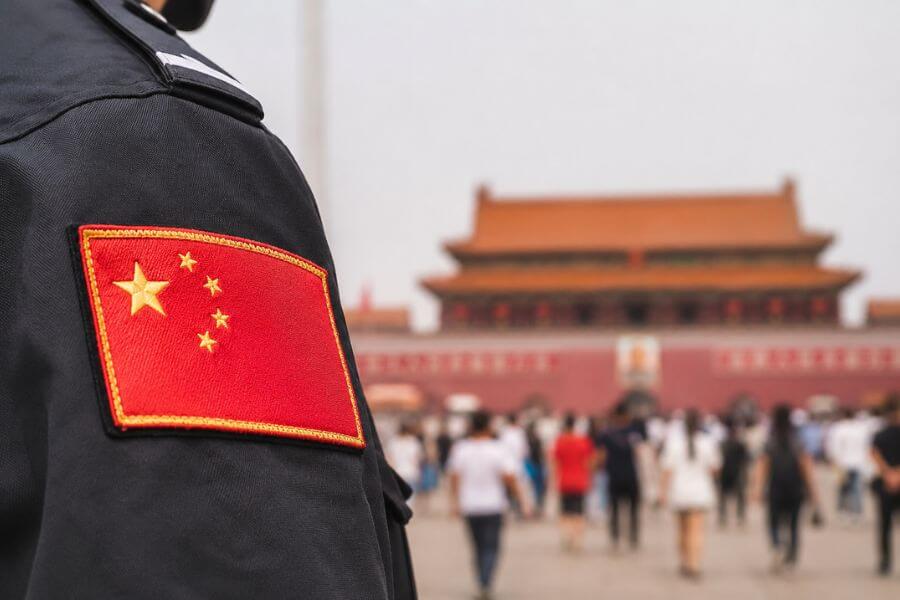
Major tourist destinations are heavily developed, well-connected, and often monitored by security systems. You will find police presence in airports, train stations, shopping districts, and popular attractions.
That does not mean you should ignore basic travel safety. Keep your passport secure, watch your belongings in crowded places, and stay informed about local regulations.
For most visitors, the biggest challenges are language barriers and navigating unfamiliar systems rather than personal safety.
2. Is It Safe to Walk Around at Night? 🌃
In many Chinese cities, walking around at night feels surprisingly comfortable.
Large cities remain active late into the evening. Restaurants, convenience stores, shopping centers, and public transportation often operate well after dark. Streets in urban areas are usually well-lit and busy.
Many travelers report feeling safer walking alone at night in Chinese cities than in some major cities elsewhere in the world.
However, normal precautions still apply. Avoid poorly lit areas, pay attention to your surroundings, and avoid excessive drinking if you’re unfamiliar with the area.
Most visitors find nighttime exploration enjoyable and relatively low risk.
3. Is It Safe to Drink Tap Water? 🚰
This is one question where the answer is generally no.
While tap water treatment standards have improved significantly in many cities, locals and visitors alike commonly boil water before drinking it.
Hotels often provide bottled water or electric kettles for boiling water. Bottled water is inexpensive and widely available.
Brushing your teeth with tap water is usually not a major concern in many areas, but drinking it directly is not recommended unless local authorities specifically confirm it is safe.
When in doubt, stick to bottled or filtered water.
4. Is It Safe to Use Public Transportation? 🚆
China has one of the world’s most advanced public transportation systems.
High-speed trains connect major cities efficiently. Urban subway systems are modern, clean, affordable, and heavily used by residents every day.
Security screening is common at train stations and subway entrances. This may slow your journey slightly, but it contributes to overall safety.
Accidents are relatively uncommon, and transportation networks are generally dependable.
For visitors, public transportation is often one of the safest and easiest ways to get around.
5. Is It Safe to Travel Alone? 🎒
Solo travel in China is usually safe for both men and women.
Many solo travelers successfully explore the country without joining tours or traveling with companions. Hotels, hostels, trains, and tourist attractions regularly welcome independent travelers.
The main challenges are practical rather than safety-related. Language differences can sometimes make transportation, dining, or navigation more difficult.
Planning ahead, using translation apps, and keeping emergency contact information available can make solo travel much smoother.
With common sense precautions, solo travel is generally a positive experience.
6. Is It Safe to Use Your Phone and Internet? 📱
Physically, yes. Technically, there are some limitations.
China has strong internet regulations, and certain websites, apps, and online services may not function as they do in other countries.
Visitors often discover that some familiar social media platforms, messaging apps, or websites are unavailable without additional preparation.
From a personal security perspective, using your phone is generally safe. Free public Wi-Fi should still be treated carefully, just as it would be anywhere else.
The main issue is access rather than safety.
7. Is It Safe to Eat Street Food? 🍜
Street food is one of the highlights of visiting China.
You’ll find everything from grilled skewers and dumplings to regional specialties that cannot be found elsewhere. Many vendors maintain good hygiene standards and attract long lines of local customers.
A good rule is to choose busy stalls with fresh ingredients and visible food preparation.
If you have a sensitive stomach, avoid food that has been sitting out for long periods or appears poorly handled.
Most travelers enjoy street food without problems, but caution is always wise.
8. Is It Safe to Carry Cash? 💴
Yes, but you may not need much of it.
China has become one of the world’s most digital payment-oriented societies. Many purchases are completed using mobile payment platforms.
Cash remains legal and accepted, but some smaller businesses may rarely handle it.
Keeping a small amount of cash for emergencies is a good idea. Avoid carrying large amounts, just as you would in any country.
The risk of theft exists but is generally low in most tourist areas.
9. Is It Safe to Visit Rural Areas? 🏞️
Rural China can be one of the most rewarding parts of a trip.
Many villages and countryside destinations are peaceful, welcoming, and rich in culture. Visitors often encounter friendly locals and beautiful landscapes.
The main concerns involve transportation, medical access, and language barriers rather than crime.
You should research routes carefully, keep someone informed of your plans, and ensure your phone remains charged.
Most rural visits are safe and memorable when properly planned.
10. Is It Safe to Discuss Politics Publicly? 🎤
This is one area where caution is advisable.
Political discussions may be approached differently in China than in some other countries. Topics that seem routine elsewhere can be considered sensitive.
As a visitor, it is generally best to remain respectful and aware of your surroundings when discussing political issues.
Most travelers never encounter problems because political conversations rarely arise during normal tourism activities.
Being respectful of local customs and laws is always the safest approach.
Conclusion ⭐
China is often the subject of many online safety questions, but the reality is usually more straightforward than the headlines suggest. For most visitors, China is a safe destination with modern infrastructure, low levels of violent crime, and efficient transportation systems.
The biggest challenges tend to involve language differences, internet restrictions, and understanding local customs rather than personal safety threats.
If you prepare properly, stay informed, and use common sense, you can enjoy a rewarding and memorable experience across one of the world’s most fascinating countries.
Frequently Asked Questions ❓
Is it safe to use taxis in China?
Yes. Licensed taxis are generally safe, especially in major cities. Make sure the driver uses the meter and keep your destination written in Chinese if possible.
Is it safe to travel during major Chinese holidays?
Yes, but expect extremely large crowds and transportation congestion. Book accommodations and tickets well in advance.
Is it safe to exchange money in China?
Yes, when using banks, airports, hotels, or authorized exchange services. Avoid unofficial money exchangers.
Is it safe to take photos in public places?
Usually yes. However, avoid photographing military facilities, security checkpoints, or areas where photography is prohibited.
Is it safe to visit China with children?
Yes. Many families travel throughout China successfully. Large cities offer excellent transportation, family attractions, and modern amenities that make travel with children manageable.