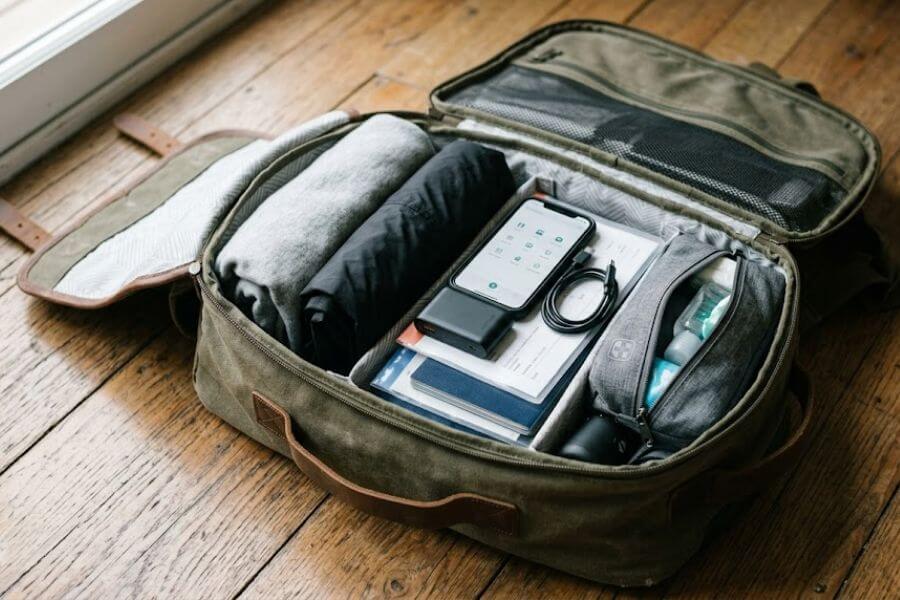
Packing for a trip to China can feel like trying to fit an entire continent into a single suitcase. This beautiful country spans across five different time zones and contains almost every climate you can think of. You might find yourself walking through a humid bamboo forest, climbing over windy mountain passes, or wandering between neon-lit skyscrapers. Because the weather changes so much depending on where you go and when you visit, having the right gear in your bag will make or break your adventure. This guide will walk you through exactly what you need to bring so you can focus on the amazing sights, delicious food, and unforgettable memories.
Key Takeaways for Your Packing Success
- Layering Is Your Superpower: China has massive temperature shifts between mornings and evenings, especially in the north and west. Bringing clothes you can layer helps you stay comfortable all day long.
- Embrace the Walking Culture: You will easily log ten thousand to twenty thousand steps a day. Leave the brand-new shoes at home and bring your most reliable, broken-in sneakers.
- Tech is Essential: China runs on digital payments and mobile apps. Your smartphone is your lifesaver, meaning portable battery banks and the right power adapters are non-negotiable.
- Modesty and Comfort Win: Most cultural sites require casual, respectful clothing. Think breathable fabrics that cover your shoulders and knees.
- Pack for the Specific Region: Northern China gets freezing cold, while Southern China stays hot and tropical. Always check your specific city stops before zipping your bag.
Spring Packing Guide (March through May)
Spring is one of the most beautiful times to explore China. The cherry blossoms bloom in Wuhan, the classic gardens of Suzhou look incredibly green, and the air feels fresh after the long winter. However, spring weather can be very unpredictable. One day might feel like warm summer bliss, while the next day brings a sudden, chilly rain shower.
Wardrobe Essentials for Spring
The secret to mastering spring weather is the three-layer rule. You want a base layer that keeps you dry, a middle layer that keeps you warm, and an outer layer that protects you from wind and rain.
- Lightweight, Windproof Jacket: A high-quality windbreaker or a light rain jacket is perfect. It protects you from sudden spring showers and keeps the morning breeze from chilling your bones.
- Long-Sleeve Shirts and Blouses: Bring a mix of cotton and linen shirts. You can roll up the sleeves if the sun gets hot during the afternoon.
- Comfortable Jeans and Chinos: Durable pants are ideal for walking around city streets or climbing up the steps of the Great Wall. Bring at least three pairs that match with all your tops.
- Cardigans or Light Sweaters: These are easy to throw into your daypack. When you step into a cool museum or a shaded temple, you can put it on in seconds.
- Ankle Boots or Walking Shoes: Make sure your shoes have good traction. Spring rain can make ancient stone pathways and tile sidewalks very slippery.
Spring Essentials Comparison Table
| Item Type | Material to Choose | Why You Need It |
| Outer Shell | Nylon or Polyester | Blocks unexpected wind and keeps you dry during light drizzle. |
| Mid-Layer | Cotton knit or Merino wool | Traps body heat without making you sweat when walking around. |
| Pants | Denim or Stretch twill | Protects your legs from cool air and holds up well against wear and tear. |
Electronics and Gear for Spring
Do not let a little rain ruin your sightseeing. Springtime requires a few specific items in your daypack to keep you moving comfortably.
- Compact Travel Umbrella: Choose a sturdy, wind-resistant option that fits inside your water-bottle pocket.
- Waterproof Backpack Cover: If you carry an expensive camera or a laptop, a simple rain cover for your bag will give you total peace of mind.
- Moisture-Wicking Socks: Avoid basic cotton socks that stay damp all day. Look for synthetic blends that dry quickly to prevent painful blisters.
Summer Packing Guide (June through August)
Summer in China is hot, humid, and full of energy. This is the peak travel season for families, meaning attractions will be busy and the sun will be intense. Cities like Beijing, Shanghai, and Xi’an can feel like giant ovens, while southern areas like Guilin experience heavy monsoon rains. To survive the summer heat, you need to pack clothes that keep you cool and dry.
Wardrobe Essentials for Summer
When packing for summer, focus on loose-fitting clothes made from natural fibers. Tight clothing will stick to your skin and make you feel much hotter than you actually are.
- Linen and Lightweight Cotton Tops: Loose t-shirts, tank tops with wide straps, and short-sleeve button-down shirts are your best friends.
- Breathable Shorts and Skirts: Pack shorts that reach mid-thigh or lower. While short shorts are fine in modern cities like Shanghai, longer options are much better when visiting historical temples.
- Lightweight Maxi Dresses: Dresses are fantastic because they allow great airflow. They also look beautiful in travel photos against traditional architecture.
- Sun-Protective Clothing: Consider buying a lightweight sun shirt with built-in UV protection. Many locals wear these to shield their skin from intense rays.
- Sandals with Arch Support: Do not just pack cheap plastic flip-flops. You need sturdy sandals with thick soles and straps that hold your feet securely while walking over uneven ground.
Summer Packing Checklist
- Four breathable, light-colored t-shirts
- Two pairs of lightweight walking shorts
- Two pairs of loose linen pants
- One nice outfit for evening dinners or rooftop bars
- Five pairs of thin, ventilated athletic socks
- One wide-brimmed sun hat
- One pair of polarized sunglasses
Heat and Rain Survival Gear
Summer weather can switch from blistering sunshine to a massive downpour in ten minutes. You must prepare for both extremes every single day.
- High-SPF Sunscreen: Sunscreen can be surprisingly expensive in China, and many local brands contain skin-whitening ingredients. Bring two bottles of your favorite brand from home.
- Handheld Battery-Powered Fan: Walk into any Chinese park in July, and you will see everyone holding a small electric fan. It provides instant relief while waiting in long lines.
- Cooling Towels: These are microfiber towels that feel icy cold when you wet them with water. Wrap one around your neck during afternoon walks.
- Insect Repellent Wipes: Summer mosquitoes are active, especially near water-filled areas like West Lake in Hangzhou. Wipes are easier to pack in your carry-on bag than spray bottles.
Autumn Packing Guide (September through November)
Many travelers agree that autumn is the absolute best time to visit China. The summer humidity disappears, the skies turn a beautiful clear blue, and the leaves change into brilliant shades of orange and red. The weather is cool and crisp, making it comfortable to spend all day outdoors.
Wardrobe Essentials for Autumn
Autumn requires clothes that look stylish but keep you cozy as the temperatures drop later in the afternoon.
- Medium-Weight Jacket: A classic denim jacket, a leather jacket, or a fleece-lined bomber jacket works wonderfully for autumn city travel.
- Flannel and Plaid Shirts: These look great, feel soft, and provide just the right amount of warmth over a basic t-shirt.
- Versatile Scarves: A large, soft scarf is a fantastic travel accessory. You can use it to warm your neck, shield your face from dust, or cozy up during long train rides.
- Durable Hiking Sneakers: If you plan to hike around the yellow leaves of Juuzhaigou or the misty peaks of Zhangjiajie, bring trail-running shoes with deep traction patterns.
- Comfortable Leggings or Tights: These are perfect to wear under dresses or long tunics when the autumn wind starts to pick up.
Autumn Regional Weather Chart
| Region | Average Weather Feel | Key Clothing Item to Pack |
| Northern China (Beijing) | Crisp, dry, and windy | Medium jacket and a warm beanie |
| Central China (Shanghai) | Mild, comfortable, and pleasant | Light sweater and long pants |
| Southern China (Guangzhou) | Warm, slightly humid, and sunny | Short-sleeve tops and light jeans |
| Western China (Tibet/Xinjiang) | Freezing nights, sunny days | Thermal underwear and heavy fleece |
Smart Accessories for Autumn
The air across northern and western China becomes very dry during the autumn months. Packing a few personal care items will save your skin and lips from cracking.
- Heavy-Duty Lip Balm: Look for options with beeswax or shea butter to protect against dry mountain winds.
- Deep-Moisturizing Hand Cream: Travel sizes are perfect to slide into your pocket for quick application after washing your hands.
- Reusable Water Bottle: Drinking warm water is a huge part of Chinese culture. Bring an insulated bottle so you can fill it up with hot water at train stations and hotels to stay warm.
Winter Packing Guide (December through February)
Winter transform China into a quiet, magical wonderland. You can experience the world-famous Harbin Ice Festival in the north, or escape the frost by traveling to the tropical beaches of Hainan Island in the south. If you are sticking to the central and northern areas, you must prepare for extreme cold temperatures that regularly drop below freezing.
Wardrobe Essentials for Heavy Winter
To enjoy the outdoor ice sculptures and snowy palaces, you must take your winter gear seriously. Freezing toes can ruin an otherwise perfect day.
- Heavy Down Parka: Your coat should ideally reach past your hips to block the wind. Look for a jacket filled with down or high-grade synthetic insulation with a hood.
- Thermal Base Layers: Bring three sets of thermal tops and bottoms. Synthetic or merino wool thermals trap heat right against your skin without adding too much bulk to your outfit.
- Fleece-Lined Pants: Standard jeans offer zero protection against freezing winter winds. Look for pants lined with fleece, or wear thick thermals underneath your regular pants.
- Insulated, Waterproof Boots: Your feet are closest to the frozen ground. Wear boots with thick soles, warm insulation, and waterproof exteriors to protect against melting snow.
- Touchscreen Gloves: You will use your phone constantly for navigation and payments. Buying gloves with conductive fingertips means you do not have to expose your bare hands to the freezing air.
Winter Accessories Checklist
- Two thick wool beanies that cover your ears completely
- Two pairs of heavy wool ski socks
- One fleece neck gaiter instead of a loose scarf that can unravel
- One package of disposable air-activated hand warmers
- One pair of sunglasses to prevent snow blindness from bright reflections
Exploring the Tropical Exception
If your winter vacation focuses entirely on places like Sanya on Hainan Island, Yunnan province, or Hong Kong, you can leave the heavy parka behind. These southern gems stay warm throughout the winter, feeling more like a pleasant spring or summer day. For these areas, pack light cardigans, t-shirts, and comfortable walking shorts, along with a swimsuit for resort pools.
Year-Round Technology Essentials
No matter what season you choose for your adventure, China is a deeply digital society. If your technology setup is not right, you will face huge challenges trying to buy food, find subway stations, or communicate with locals.
Power and Charging Gear
- Universal Plug Adapter: China uses a mix of three-pronged angled plugs and two-pronged flat plugs. A high-quality universal adapter ensures you can plug your devices into any hotel wall outlet.
- High-Capacity Power Bank: Because your phone will scan QR codes for payments, show digital maps, and translate street signs all day, your battery will drain incredibly fast. Bring a ten thousand or twenty thousand milliamp-hour power bank. Make sure the capacity labels are clearly printed on the side, or airport security may confiscate it.
- Multi-Port Charging Hub: Instead of packing five different wall blocks, bring one powerful charger with multiple USB connections so you can charge your phone, camera, and power bank at the exact same time.
Smart Digital Prep Before You Leave Home
- Install a Virtual Private Network: Many popular international websites, social media apps, and search engines are blocked by the local network firewalls. Download and pay for a reliable service before landing in China, as it is incredibly difficult to install them once you arrive.
- Set Up Mobile Payment Apps: Cash and international credit cards are rarely accepted at regular shops and restaurants. Download the digital wallet apps called Alipay and WeChat. Link your international credit card to these apps well before your departure date so you can easily pay for things by scanning QR codes.
- Download Offline Maps and Translation Apps: Internet connections can drop when you are deep in subway tunnels or remote mountain villages. Download the local language packs and offline city maps to ensure you can always find your way back to your hotel.
Health, Hygiene, and Comfort items
A comfortable trip requires more than just the right clothes. There are several everyday items that are common back home but can be quite difficult to find while traveling through China.
The Travel Bathroom Kit
- Pocket Tissue Packs: Many public restrooms across China, even in major train stations or tourist attractions, do not provide toilet paper. Always keep a pack of tissues in your pocket or purse.
- Hand Sanitizer and Alcohol Wipes: Soap is not always available in public bathrooms. Keep a small bottle of sanitizer close by to clean your hands before enjoying street food snacks.
- Travel-Size Deodorant: Standard stick deodorant is not a common product in local supermarkets. Pack enough deodorant to last your entire trip, especially if you are traveling during the hot summer months.
Basic Medical Pouch
- Personal Prescription Medications: Bring your regular medications in their original bottles with your doctor’s prescription printed clearly on the label.
- Stomach Relief Tablets: Trying new spices, unique cooking oils, and exotic street foods can sometimes upset your digestive system. Pack anti-diarrhea tablets and antacids to keep your stomach happy.
- Pain Relievers and Cold Medicine: Finding the right medicine at a local pharmacy can be confusing due to language barriers. Bring a small supply of ibuprofen or acetaminophen for unexpected headaches or body aches.
- Blister Bandages: With all the walking you will do, a blister can quickly slow you down. Pack specialized blister cushions that stay firmly attached to your heels.
Essential Travel Documents
Before you close your suitcase and head to the airport, double-check your document folder. Missing papers can bring your dream trip to an abrupt end before you even leave the airport gate.
Document Checklist
- Passport: Your passport must be valid for at least six months beyond your planned departure date and contain at least two blank pages.
- Valid Chinese Visa: Unless you are using a specific short-term transit visa exemption, ensure your paper visa is securely stamped into your passport.
- Printed Hotel Confirmations: Keep printed copies of your hotel reservations in English and Chinese characters. This makes it incredibly easy to show taxi drivers exactly where you need to go.
- Flight Itinerary: Border control officers will often want to see your confirmed return ticket to prove you plan to leave the country when your visa expires.
- Physical Photos: Keep two passport-sized photos in your bag just in case you need to apply for local permits or replacement documents during your journey.
Frequently Asked Questions
What kind of shoes should I bring if I plan to visit both major cities and mountain trails?
The best choice is a hybrid trail-running shoe. These shoes look subtle enough to wear on fashionable city streets but feature deep rubber treads and supportive soles that protect your feet on steep mountain trails like Hua Shan. Look for options made with breathable mesh for spring and summer trips, or waterproof fabrics if you are traveling during the rainy or snowy seasons.
Can I easily use cash or credit cards if I forget to set up the local payment apps?
It is highly risky to rely solely on cash or international credit cards. Major international hotels and high-end luxury stores will accept credit cards, but regular taxis, street food stalls, and family-owned restaurants often do not have card terminals. While cash is legally accepted, many young vendors do not carry change for large bills. Setting up local payment apps before you go is essential for a smooth trip.
How conservative should my clothing choices be when exploring historical sites?
When visiting temples, shrines, and sacred mountains, you should dress modestly out of respect for the local culture. This means wearing tops that cover your shoulders completely and choosing pants or skirts that fall below your knees. Avoid clothing with offensive graphics, large holes, or extremely tight fits. Modern cities are very relaxed about fashion, but modesty is always appreciated at historical landmarks.
Is it necessary to bring a laptop, or can I manage my whole trip using my smartphone?
Your smartphone is powerful enough to handle your daily travel needs, including payments, navigation, translations, and booking train tickets. Only bring a laptop if you must work during your trip or if you prefer a large screen for editing professional travel videos. Keep in mind that a laptop adds significant weight to your backpack during long days of exploring.
What should I do if my power bank gets confiscated at the airport security line?
Airport security in China enforces strict rules regarding lithium batteries. To prevent your power bank from being confiscated, make sure the battery capacity label is perfectly legible and clearly states it is under one hundred watt-hours, which equals roughly twenty-seven thousand milliamp-hours. If your power bank has no clear markings or labels, security officers will take it away for safety reasons.