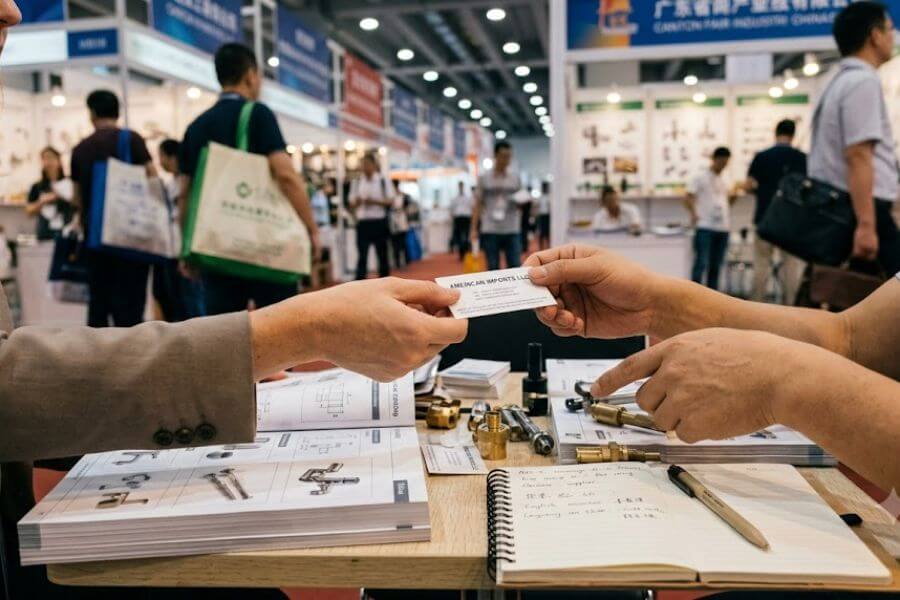
Sourcing products from global factories can completely change the path of your US business. The China Import and Export Fair, which almost everyone calls the Canton Fair, stands as the largest trade show on the planet. Held twice every year in Guangzhou, China, this massive event brings together tens of thousands of manufacturing companies and hundreds of thousands of buyers from every corner of the world. If you want to find direct suppliers, secure lower costs, or discover cutting-edge items before your competitors do, this show is where you need to be.
This deep-dive guide will walk you through every single step of navigating the Canton Fair, specifically for an American business owner. You will learn how to prepare before you leave home, how to handle the showroom floor, how to speak with factory owners, and how to safely ship your new inventory back to the United States.
Key Takeaways
- Match Your Phase: The show is split into three separate phases, each focusing on totally different product groups. You must look at the schedule to make sure you visit during the correct phase for your business niche.
- Badges and Visas Early: You need a formal invitation letter from the fair to apply for your Chinese business visa. Get your buyer badge registered online weeks before you fly to avoid massive lines at the venue.
- Vet for US Standards: Not every factory at the show creates items that pass US Customs or American safety laws. Always check for certificates like FDA, FCC, or UL before you discuss pricing.
- Relationships Matter: Face-to-face meetings build a special type of trust that emails cannot match. Treat factory representatives with respect to secure better minimum order quantities and pricing long-term.
- Plan Post-Fair Logistics: Sourcing the product is only half the battle. You must calculate the total cost including ocean shipping, US import duties, and customs bonds to ensure your business stays profitable.
Understanding the Structure of the Canton Fair
The Canton Fair is so big that the organizers have to break it down into three distinct blocks of time, known as phases. Each phase lasts for five days, and there is a gap of a few days between them so workers can tear down old booths and set up new ones. If you show up during the wrong phase, you will end up looking at industrial tractors instead of clothing or home goods.
Phase One: Electronics, Machinery, and Industrial Goods
The first phase focuses heavily on technical items, hardware, vehicles, and building materials. This is the place to be if your US business sells consumer electronics, smart-home devices, tools, or renewable-energy hardware like solar components. You will find massive manufacturing plants displaying their top machinery here.
Phase Two: Home Decor, Gifts, and Consumer Goods
The second phase shifts toward consumer items and beautiful aesthetics. This is the perfect time for e-commerce sellers, boutique owners, and home-goods brands. The main items on display include kitchenware, ceramics, indoor and outdoor furniture, holiday decorations, gifts, and pet products.
Phase Three: Textiles, Clothing, Shoes, and Office Supplies
The final phase covers soft goods, health products, and recreational items. If you run a clothing line, a shoe store, a sports-gear brand, or a medical-supply business, this is your slot. You will see thousands of booths packed with fabrics, fashion accessories, travel bags, office stationery, and packaged foods.
Summary of Canton Fair Phases
| Phase | Main Product Categories | Target US Business Types |
| Phase One | Consumer Electronics, Smart Devices, Tools, Lighting, Vehicles, Large Machinery, Building Materials, Chemical Products | Tech Brands, Hardware Stores, Auto Accessory Brands, Contractors, Energy Startups |
| Phase Two | Furniture, Kitchenware, Home Decor, Holiday Items, Gifts, Ceramics, Gardening Supplies, Pet Goods | Amazon FBA Sellers, Home Boutiques, Gift Shops, Furniture Retailers, Pet Brands |
| Phase Three | Apparel, Textiles, Shoes, Office Supplies, Luggage, Sports Gear, Medical Devices, Personal Care, Food | Fashion Labels, Sporting Goods Stores, Office Suppliers, Healthcare Brands |
Preparing for Your Journey to Guangzhou
You cannot just buy a ticket and show up at the venue. Sourcing success requires a massive amount of planning weeks or even months before the gates open.
Getting Your Paperwork in Order
Your very first step is to visit the official Canton Fair buyer E-platform online. You will need to create a profile and upload your passport information along with a copy of your US business card. Once the organizers verify your identity, they will issue an official invitation letter.
You need this exact letter to apply for your Chinese visa. As a US citizen, you should apply for an M-class business visa. It is highly recommended to request a multiple-entry visa if you plan to return for future sessions. Give yourself at least four to six weeks for the visa process to handle any unexpected delays at the embassy or visa service center.
Booking Flights and Hotels
You should fly directly into Guangzhou Baiyun International Airport, or fly into Hong Kong and take the high-speed train up to Guangzhou. The train ride from Hong Kong is incredibly fast and takes less than an hour.
When picking a hotel, look for places in the Tianhe District or Haizhu District that specifically offer complimentary shuttle bus services to and from the Pazhou Complex. Traffic in Guangzhou during the fair can become a complete nightmare, and those hotel shuttles save you a massive amount of stress every morning and evening.
Packing the Right Equipment
The Pazhou Complex is one of the largest buildings in the world. You will easily walk five to ten miles every single day inside the venue.
- Comfortable Shoes: Leave your dress shoes at home. Wear supportive sneakers or walking shoes.
- A Rolling Suitcase: Do not carry a backpack. By midday, you will collect dozens of thick, heavy product catalogs from different booths. A small rolling carry-on suitcase will save your back and shoulders.
- Hundreds of Business Cards: Factory representatives use business cards to organize their leads. Bring way more than you think you need. Make sure your cards clearly display your name, business email, website, and US phone number.
- A Dedicated Notebook and Stapler: When you chat with a supplier, staple their business card directly onto a fresh page in your notebook. Write down their booth number, the specific product you discussed, and the rough price quotes they gave you. If you do not do this, all the booths will blend together in your mind by dinner time.
Navigating the Show Floor Like a Professional
Walking into the fair for the first time can feel incredibly overwhelming. There are thousands of bright lights, signs, and people yelling out to grab your attention. Having a clear plan of attack keeps you from wandering around aimlessly.
Mapping Out Your Day
The complex is split into different areas designated as Area A, Area B, Area C, and Area D. Each area contains multiple levels and halls dedicated to specific industries. Grab a physical map at the registration desk or download the official app. Focus on one single hall at a time. Work your way up and down the aisles systematically. Do not let interesting displays pull you away from your target product list until you have finished your main sourcing goals for the day.
Spotting the Difference Between Factories and Trading Companies
When you look at booths, you will run into two types of sellers: direct manufacturers and trading companies. Direct manufacturers actually own the machinery and create the goods. Trading companies act as middle-men who buy from factories and resell to foreigners.
Sourcing directly from a factory usually gets you the lowest possible prices and better customization options. Trading companies, however, often have smaller minimum order quantities and can help you bundle different types of products together.
How to Tell Who You Are Dealing With
- Look at the Product Variety: If a booth displays an incredibly wide range of random items, like plastic toys, bluetooth speakers, and winter scarves all in one spot, it is almost certainly a trading company. A real factory usually focuses deeply on one specific production style, such as silicone kitchen tools or aluminum flashlights.
- Check the Factory Location: Ask where the manufacturing plant is situated. Certain cities in China specialize in specific items. For example, if you are looking for electronics, you want a supplier based in Shenzhen. If you want toys, look for companies from Shantou. A real manufacturer will talk extensively about their specific city and industrial zone.
- Ask Deep Production Questions: Ask about their machinery, their daily output capacities, and how many workers they employ on their assembly lines. Real factory representatives can answer these technical questions instantly, while trading-company agents might hesitate or give vague answers.
Mastering the Supplier Interview
When you find a booth that displays the exact item you want for your US business, do not just walk up and ask, “How much does this cost?” You want to project an image of a serious, established corporate buyer. This helps you get accurate attention and honest pricing.
The Initial Greeting and Introduction
Hand over your business card with both hands as a sign of respect. Introduce your business briefly. State clearly what your brand does in the United States and the specific type of item you want to add to your inventory this year.
Essential Questions to Ask Every Supplier
You need to collect specific pieces of data from every single booth to make an accurate comparison later on. Make sure you get answers to these core questions:
- What is your Minimum Order Quantity? This is usually written as MOQ. It represents the smallest number of pieces you must buy in a single order for them to start production.
- What is your FOB price for a specific volume? FOB stands for Free On Board. It means the price includes the cost of making the item and delivering it to a Chinese shipping port. It does not include the ocean freight across the Pacific or US customs fees.
- What is your standard production lead time? You need to know exactly how many days or weeks it will take the factory to manufacture your items once you send your deposit payment.
- Can you provide a customized sample with my brand logo? Finding out if they can do original equipment manufacturer work, which people call OEM, is critical if you want to build a unique brand in America.
Red Flags to Watch Out For
Be alert during your conversations. Move on to another booth if you notice any of these warning signs:
- Refusing to show certifications: If a supplier claims their product is safe for the US market but hesitates to show official paperwork, they are likely hiding something.
- Extremely low prices: If a price sounds way cheaper than every other booth at the show, the factory is probably using low-grade materials that will break easily or fail US safety inspections.
- Poor communication and lack of interest: If the sales staff seems distracted, refuses to answer basic questions, or treats you like an annoyance, they will be an absolute nightmare to work with once you leave China.
Navigating US Regulations and Product Compliance
Sourcing a beautiful item at an incredible price means absolutely nothing if US Customs and Border Protection seizes your shipping container at an American port. The United States has incredibly strict safety and environmental standards.
Safety Certificates and Government Bodies
Depending on what you want to sell, your items must comply with specific American agencies. Ensure your chosen factory already has experience passing these exact tests.
US Compliance Matrix
| Product Category | Governing Agency | Required Certifications / Standards |
| Electronics & Toys | Federal Communications Commission (FCC), Consumer Product Safety Commission (CPSC) | FCC marks for wireless signals, Children’s Product Certificates (CPC) for safety and lead paint tests |
| Kitchenware & Cosmetics | Food and Drug Administration (FDA) | Food-grade material reports, chemical migration tests, cosmetic ingredient listings |
| Electrical Goods | Occupational Safety and Health Administration (OSHA) standards | Underwriters Laboratories (UL) or Intertek (ETL) testing marks for fire and shock safety |
| Textiles & Apparel | Federal Trade Commission (FTC), CPSC | Flammability testing certificates, permanent fabric care and origin labels |
Intellectual Property Protection
Never source items that copy famous American cartoon characters, movie franchises, or patented designs. China has thousands of generic items, but some booths sell copy-cat products. If you import goods that violate another company’s trademark or patent, your inventory will be confiscated and destroyed at the US border, and your business could face massive legal fines. Focus on sourcing unbranded items that you can legally customize with your own private label.
Negotiating Prices and Terms Successfully
Negotiation in Chinese business culture is not an aggressive argument. It is about building a long-term relationship where both sides feel like they are winning.
Understanding Price Fluctuations
The price a factory gives you at the show is almost always a rough estimate. The actual final cost will depend on raw material prices, currency exchange rates between the US dollar and the Chinese yuan, and the level of product customization you want. Do not push for a price that is so low that the factory loses money. If you squeeze their profit margins too tightly, they will simply use cheaper parts or cut corners on your packaging to save money.
Negotiating Lower Minimum Order Quantities
If you are a new US business, a factory’s standard MOQ might feel too high for your budget. Instead of walking away, try these negotiation strategies:
- Offer to pay a higher price per unit for a smaller test run: Tell them you want to test the US market with a few hundred units first. Explain that if the items sell out quickly, you will immediately place a full standard order.
- Stick to standard factory colors: Factories require high MOQs because they have to buy raw materials in large batches. If you accept the exact color or material the factory already uses for other clients, they can easily add your small order onto an existing production run.
- Combine different styles: Ask if you can split the total MOQ across three or four slightly different models or designs instead of buying thousands of the exact same piece.
Organizing Your Follow-Up Strategy After the Fair
The real work actually starts when you get back to your hotel room or fly back to the United States. You will have a suitcase full of business cards, sample notes, and catalogs. You need a fast, organized plan to lock in the connections you made.
The Immediate Sort and Clean
Every single evening during the fair, spend thirty minutes at your hotel desk sorting your notes. Throw away catalogs from booths that did not impress you. Group your top choices into priority categories. Send a short email to your favorite suppliers that same night. Mention how much you enjoyed meeting them at their booth, and ask them to send a digital copy of their price list while your face is still fresh in their minds.
Requesting and Testing Production Samples
Never place a full production order without testing a physical sample in the United States first. Once you are back home, contact your top three favorite suppliers and pay them to mail a sample directly to your US office or home.
When the box arrives, test the item aggressively. Drop it on concrete, wash it, plug it in, and use it exactly like a frustrated customer would. If an item breaks or fails your quality test, send detailed photos to the factory and ask if they can fix the issue during mass production.
Managing Freight, Shipping, and Logistics to the United States
Getting your goods from a factory floor in China into a warehouse in America involves complex global shipping steps. You must understand the basic logistics choices available to your business.
Air Freight vs. Ocean Freight
If your products are lightweight, small, and high-value, like jewelry or luxury watches, you can use air freight. Air shipping takes less than a week, but it costs a massive amount of money per pound.
For the vast majority of consumer goods, you will need to use ocean freight. Ocean shipping involves packing your goods into metal containers that travel on massive ships across the ocean to ports in Los Angeles, Seattle, New York, or Savannah. Ocean freight takes anywhere from three to six weeks, but it is vastly more cost-effective for large volumes.
Working with a Licensed Customs Broker and Freight Forwarder
Do not try to manage ocean shipping by yourself. You should hire an international freight forwarder. This is a logistics company that handles everything. They will pick up the pallets from the Chinese factory, handle the export paperwork at the Chinese port, secure space on a cargo ship, and drop the goods off at your US door.
You will also need a licensed US customs broker. This professional ensures your shipment complies with all US customs laws, calculates the exact import tariff rate for your specific items, files the paperwork, and pays the duties to the American government on your behalf.
Understanding Total Landed Cost
Before you celebrate your high profit margins, you must calculate your total landed cost. This is the true total cost of getting one single item into your hands.
$$\text{Total Landed Cost} = \text{Factory Unit Price} + \text{Shipping Cost Per Unit} + \text{US Duty Fees} + \text{Customs Brokerage Fees} + \text{Local Trucking Insurance}$$
If an item costs five dollars to buy at the Canton Fair booth, but it costs four dollars in shipping, tariffs, and customs fees to get it to your US warehouse, your true landed cost is nine dollars. Use this final number to decide if your business can actually make a solid profit.
Frequently Asked Questions
Do people at the Canton Fair speak English?
Yes, almost every single booth will have at least one sales representative who speaks English fluently. They are incredibly used to working with international buyers. However, the technical details can sometimes get lost in translation. If you want to discuss highly complex machinery designs, custom electronic circuits, or deep legal contracts, it is a smart move to hire an independent professional translator in Guangzhou to walk the floor with you.
Can I buy individual items or retail products directly at the show?
No, the Canton Fair is strictly a business-to-business wholesale trade show. Booths do not sell individual items for personal use. The items on display are manufacturing models and floor samples. On the very last afternoon of each phase, some factories might sell off their physical display samples so they do not have to pack them up and carry them back to their factories. If you are lucky, you can buy a few display items on that final afternoon, but the primary goal of the fair is to secure long-term mass production contracts.
How much money does it cost to attend the fair as a buyer?
Entering the fairgrounds is completely complimentary for foreign buyers once you register and receive your buyer badge. If you do not pre-register online and show up without a badge, you will have to pay a small processing fee in Chinese yuan at the gate to get your card printed. Your actual expenses will come from your travel costs, including your Chinese business visa, round-trip flights to China, hotel rooms, meals, and local transportation within Guangzhou.
Is it safe to send money payments to the suppliers I meet at the fair?
While the Canton Fair filters exhibitors to make sure they are legally registered businesses, you must still practice basic safety caution. Never send large wire transfers to a personal bank account. Always ensure the bank account name matches the official corporate name on the supplier’s business license. For your very first order, it is smart to use secure payment escrow systems or hire a third-party inspection agency to visit the factory and verify the goods are fully completed before you send your final payment wire.