If you only learn about China through headlines, social media clips, or dramatic documentaries, you probably have a very one-sided picture of what daily life there is really like. News coverage often focuses on politics, conflict, or shocking stories because those topics attract attention. But everyday life for most people in China is far more normal, modern, complex, and interesting than many outsiders expect.
When you actually visit or live in China, you quickly notice that many common beliefs do not match reality. Cities are highly developed, technology moves fast, people live busy modern lives, and daily routines are often surprisingly similar to what you would see in other major countries.
That does not mean China is perfect. Like every country, it has strengths, weaknesses, challenges, and cultural differences. But many of the most repeated stories about life in China are oversimplified or completely misleading.
In this article, you will discover the biggest myths people believe about China and what life there is actually like today.
Quick Summary Table 📊
| Myth | Reality |
|---|---|
| China is poor everywhere | Many Chinese cities are extremely modern and wealthy |
| Nobody has freedom or fun | People travel, shop, socialize, and enjoy entertainment like anywhere else |
| All cities look polluted | Air quality has improved greatly in many regions |
| Foreigners are unwelcome | Most visitors experience curiosity and hospitality |
| China copies everything | Chinese companies now lead in many technologies |
| Chinese people work nonstop | Work culture can be intense, but people also value leisure and family |
| Nobody can access global culture | People still follow global trends through many channels |
| China is dangerous for tourists | Most major cities are very safe |
| Everyone thinks the same way | China has huge diversity in opinions, lifestyles, and personalities |
| Life in China feels isolated | China is deeply connected to global business, travel, and culture |
How We Ranked These Myths 🧠
We chose these myths based on several important factors:
- How often the myth appears in international media
- How misleading or exaggerated the claim usually is
- How different reality feels once you visit China
- The impact these myths have on travelers and foreigners
- Real everyday experiences shared by residents and visitors
- Cultural misunderstandings between China and Western countries
- How outdated some of these ideas have become
1. “China Is Poor Everywhere” 💰
One of the biggest misconceptions about China is that the entire country is still underdeveloped. While China absolutely has rural and lower-income areas, this idea ignores how dramatically the country has changed over the past few decades.
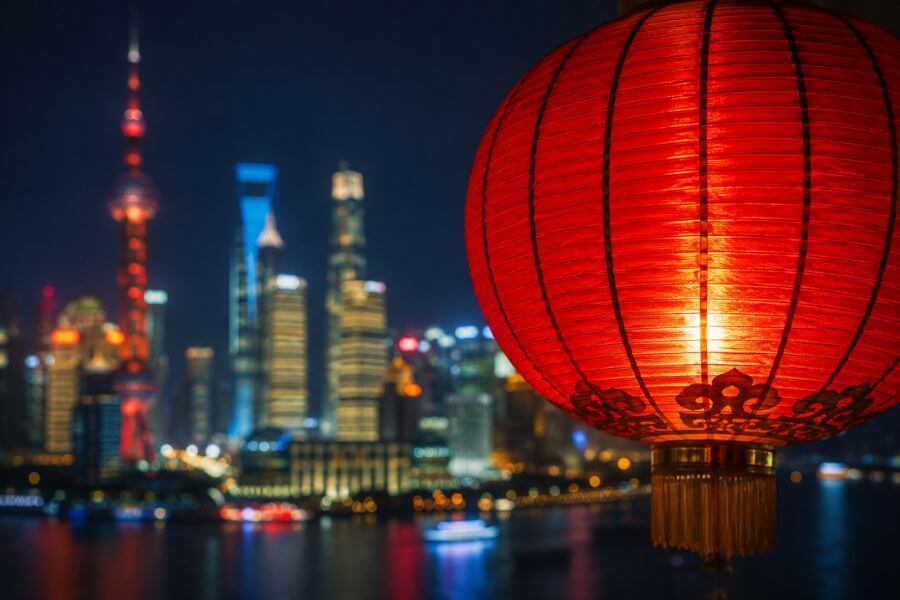
When you visit cities like Shanghai, Shenzhen, or Hangzhou, you see futuristic skylines, advanced public transportation, luxury shopping malls, cashless payments, and modern apartments everywhere. Some neighborhoods feel more technologically advanced than parts of Europe or North America.
China’s rapid economic growth created a massive middle class. Millions of people travel internationally, buy homes, use high-speed rail regularly, and enjoy modern lifestyles. Of course, economic inequality still exists, but portraying the entire country as poor is extremely outdated.
If you only expect crowded villages and factories, modern China will probably shock you.
2. “People in China Have No Fun or Personal Life” 🎮
Many outsiders imagine life in China as nonstop work and strict routines with little enjoyment. In reality, the entertainment culture in China is huge.
People spend time gaming, traveling, eating out, watching movies, attending concerts, livestream shopping, hiking, playing sports, and hanging out with friends. Parks in Chinese cities are often full of dancing groups, musicians, families, and elderly people practicing tai chi.
Cities like Chengdu are famous for relaxed lifestyles, tea culture, and nightlife. Young people follow fashion trends, social media influencers, and pop culture just like anywhere else.
China also has one of the world’s biggest domestic tourism industries. During holidays, millions of people travel across the country to visit mountains, beaches, historical towns, and famous landmarks.
Daily life is not some emotionless routine. People laugh, date, celebrate birthdays, complain about work, and enjoy hobbies just like people everywhere else.
3. “Every Chinese City Is Covered in Pollution” 🌫️
This myth became popular because of older images showing heavy smog in cities like Beijing during the early 2010s. While pollution was once a serious issue, many people still assume nothing has changed.
In reality, China invested heavily in improving air quality, renewable energy, electric vehicles, and public transportation. Many cities today have far cleaner skies than they did a decade ago.
That does not mean pollution disappeared completely. Some industrial regions still struggle with environmental problems. But modern China is far more environmentally aware than many people realize.
China also leads the world in electric vehicle adoption and has rapidly expanded green energy infrastructure. Visitors are often surprised to see clean subway systems, electric scooters everywhere, and massive urban parks.
The idea that every Chinese city constantly looks gray and toxic no longer matches reality.
4. “Foreigners Are Not Welcome in China” 🤝
A lot of people worry that they will face hostility if they visit China. In truth, many foreigners experience the opposite.
Outside of a few tense political discussions online, everyday people are usually curious, friendly, and interested in meeting visitors. In smaller cities, especially, you may attract attention simply because foreign tourists are less common there.
Many travelers describe locals helping them order food, find train stations, or navigate unfamiliar areas. Restaurant owners often try hard to communicate even when there is a language barrier.
China’s hospitality culture can feel surprisingly warm once you spend time there. You may get invited to meals, tea sessions, or family gatherings after meeting people.
Of course, experiences vary depending on the situation and location. But the idea that foreigners are automatically hated across China is highly exaggerated.
5. “China Only Copies Other Countries” 📱
This stereotype might have been more common years ago, but it ignores how much innovation now comes directly from China.
Chinese companies lead globally in areas like mobile payments, electric vehicles, e-commerce, battery technology, drone manufacturing, and high-speed rail. Cities like Shenzhen became major global tech centers.
Apps and services in China often move faster than Western equivalents. Many visitors are surprised by how integrated digital life is there. You can pay for almost everything with your phone, from street food to taxis.
China’s manufacturing power also helped it develop massive expertise in engineering and logistics. While copying still exists in some industries, reducing modern China to “they just copy” ignores the country’s growing influence in global innovation.
The reality is much more competitive and advanced than many people expect.
6. “Everyone Works 24/7” ⏰
China has a reputation for an intense work culture, especially because of terms like “996,” which refers to working from 9 a.m. to 9 p.m. six days a week in some industries.
There is truth behind the stereotype in certain sectors, particularly technology and corporate jobs. But the media often acts like every person in China lives this way.
In reality, work life varies greatly depending on the city, profession, age group, and company culture. Many people work normal schedules. Others prioritize family life, hobbies, or slower lifestyles.
You also see huge crowds in restaurants, tourist attractions, gyms, karaoke venues, cafes, and shopping districts every evening and weekend. That would not happen if the entire country worked nonstop without rest.
China definitely has hard-working people, but life there includes much more than work.
7. “Chinese People Cannot Access Global Culture” 🎬
Another common myth is that people in China are completely disconnected from global entertainment and ideas.
In reality, many Chinese people follow international fashion, music, sports, movies, and technology trends very closely. Basketball, soccer, luxury brands, anime, Hollywood films, Korean dramas, and global gaming culture are all popular in different communities.
People study abroad, travel internationally, and interact with foreign businesses constantly. English learning is also widespread, especially among younger generations and professionals.
China does have a different internet ecosystem, and some international platforms are restricted. But that does not mean people are isolated from the rest of the world.
Global culture still influences daily life in many ways, especially in larger cities.
8. “China Is Unsafe for Travelers” 🚇
Some people imagine China as chaotic or dangerous because of sensational news stories. Yet many travelers say they feel safer walking around major Chinese cities than in some large Western cities.
Violent crime rates are relatively low in many urban areas. Public transportation is heavily used, streets stay active late at night, and cities often feel secure even for solo travelers.
Places like Shanghai, Guangzhou, and Suzhou are generally considered safe for visitors who follow normal travel precautions.
Of course, you still need common sense. Scams, overcrowding, and tourist traps can happen just like in any major destination. But the idea that China is extremely dangerous for ordinary travelers is not supported by most real visitor experiences.
9. “Everyone in China Thinks the Same Way” 🗣️
China has over a billion people spread across huge geographic and cultural regions. Assuming everyone shares identical opinions makes no sense.
Life in Beijing feels very different from life in Kunming or Harbin. Younger generations often think differently from older generations. Urban lifestyles differ greatly from rural ones.
People debate trends, complain about work, discuss relationships, chase careers, and hold different personal values. Some are highly traditional, while others are extremely modern and internationally minded.
Like any society, China contains many perspectives, personalities, and subcultures. Simplifying the entire population into one stereotype creates a very inaccurate picture.
10. “Life in China Feels Cut Off From the World” ✈️
Some media coverage makes China sound isolated from the rest of humanity. In reality, China is deeply connected to global trade, tourism, education, manufacturing, and technology.
International brands operate across Chinese cities. Foreign restaurants, luxury stores, universities, and multinational companies are everywhere in major urban centers.
Chinese tourists travel around the world in huge numbers, while international students and business professionals continue moving in and out of the country.
China also hosts major international trade events, technology expos, and cultural festivals. Modern life there often feels globalized, fast-moving, and internationally connected.
Visitors expecting isolation are usually surprised by how international many parts of China actually feel.
Conclusion 🏮
China is one of the most misunderstood countries in the world. A lot of media coverage focuses only on conflict, politics, or shocking headlines, which creates an incomplete picture of daily life.
When you look beyond stereotypes, you find a country full of modern cities, complex social dynamics, ambitious young people, rich traditions, advanced technology, and everyday routines that feel surprisingly familiar.
That does not mean every criticism about China is false. Like every country, China faces real challenges and debates. But reducing life there to a handful of dramatic narratives prevents people from understanding the country honestly.
If you ever get the chance to visit China yourself, you may discover that reality feels very different from what you expected.
Frequently Asked Questions ❓
Is China a good place for first-time travelers?
Yes, many first-time travelers enjoy visiting China, especially in major cities with strong transportation systems and modern infrastructure. Planning ahead helps a lot because apps, payments, and language differences can take some adjustment.
Do most people in China speak English?
English levels vary widely. In large cities and tourist areas, you can often find younger people or workers who know some English. In smaller cities, communication may be more difficult, so translation apps are very helpful.
Is everyday life in China expensive?
It depends on the city and your lifestyle. Cities like Shanghai and Beijing can be expensive, while many smaller cities remain relatively affordable compared to major Western cities.
What surprises most foreigners about China?
Many visitors are surprised by how modern the infrastructure is, how convenient mobile payments are, and how safe cities feel at night. High-speed trains and delivery services also impress many travelers.
Is Chinese culture very different from Western culture?
Some parts feel very different, especially regarding social customs, communication styles, and family expectations. At the same time, many daily experiences like friendships, entertainment, dating, and career stress feel universal to people around the world.