When you first travel through China, one thing becomes clear very quickly – northern and southern China can feel like two completely different worlds. From the food you eat to the way people speak, socialize, and even handle daily life, the contrasts are often surprising. Many foreigners expect China to have one unified culture, but the country is massive, and regional differences run deep.
The divide between north and south China has been shaped by geography, climate, history, farming traditions, and local customs for thousands of years. Northern regions developed around wheat farming and colder weather, while southern regions grew around rice farming, rivers, and warmer climates. Over time, these differences influenced everything from personality stereotypes to architecture and family life.
In this guide, you will discover some of the most shocking cultural differences between north and south China and why they matter so much when you travel, work, or live there.
Quick Summary Table 🧭
| # | Cultural Difference | Northern China | Southern China |
|---|---|---|---|
| 1 | Food Staples | Wheat, noodles, dumplings | Rice, seafood, lighter dishes |
| 2 | Climate Lifestyle | Dry and cold | Humid and warm |
| 3 | Personality Stereotypes | Direct and loud | Reserved and subtle |
| 4 | Language Differences | Mandarin dominates | Many dialects and languages |
| 5 | Drinking Culture | Heavy alcohol culture | Tea culture is stronger |
| 6 | Architecture | Courtyard homes | Water towns and compact housing |
| 7 | Business Style | Fast and straightforward | Relationship focused |
| 8 | Beauty Standards | Taller and stronger image | Slim and delicate image |
| 9 | Festivals and Traditions | Strong northern folk customs | Rich regional celebrations |
| 10 | Daily Pace of Life | More rugged and intense | More relaxed and flexible |
How We Ranked These Differences 📊
We ranked these cultural differences based on several important factors:
- How noticeable the difference feels to foreigners
- How strongly locals identify with the divide
- Historical and cultural importance
- Impact on daily life and travel experiences
- How often these differences appear in conversations and media
- The level of surprise most visitors experience
- How deeply the differences affect food, language, and behavior
1. Wheat vs Rice Food Culture 🍜
One of the biggest cultural shocks in China comes from the food. In northern China, wheat dominates the diet. You will constantly see noodles, dumplings, buns, pancakes, and steamed bread. Cities like Beijing and Xi’an are famous for hearty wheat-based meals that feel filling and heavy.
In southern China, rice is the king of the table. Meals often include rice with seafood, vegetables, soups, and lighter flavors. Cantonese cuisine from the south focuses more on freshness and subtle seasoning compared to the saltier and richer northern dishes.
This difference comes from farming history. Northern China has colder and drier land that works better for wheat farming. Southern China has warm and wet conditions that are perfect for rice fields.
You may even notice different eating habits. Northern meals often feel larger and more rugged, while southern meals can feel more delicate and balanced. Even breakfast changes dramatically depending on where you are.
For many travelers, it almost feels like crossing into another country just by ordering food.
2. Cold Northern Winters vs Humid Southern Heat ❄️
Climate shapes culture more than many people realize. Northern China experiences freezing winters with dry air and snow in many areas. Southern China is known for humid heat, heavy rain, and mild winters.
Because of this, daily life feels very different.
In the north, homes often have centralized heating systems. People wear thick winter clothing and gather indoors during harsh winters. Hotpot and strong liquor are especially popular during cold months.
In the south, air conditioning matters more than heating. Buildings are often designed to handle humidity rather than extreme cold. People are more used to rainy weather and subtropical heat.
Visitors are often shocked by how different the same season can feel. Winter in Harbin, compared to Guangzhou, feels almost impossible to compare. One feels like Siberia, while the other feels nearly tropical.
Climate also affects attitudes. Northern culture is often described as tougher and more resilient because of harsh winters, while southern culture is seen as more adaptable and flexible because of constant humidity and rain.
3. Direct Northerners vs Reserved Southerners 🗣️
Many Chinese people themselves joke about the personality differences between the north and south.
Northern Chinese are often stereotyped as louder, more direct, and emotionally expressive. Conversations can sound intense even when nobody is angry. People may speak openly and confidently without worrying too much about subtle wording.
Southern Chinese are often seen as calmer, quieter, and more diplomatic. Communication may feel softer and more indirect. Maintaining harmony and avoiding open conflict can matter more in social situations.
Of course, these are broad stereotypes and not true for every person. Still, many travelers notice the difference quickly.
For example, in northern cities, strangers may openly comment on things or ask personal questions more casually. In southern cities, interactions can feel more reserved at first.
This cultural contrast can even affect friendships and business meetings. Some northerners think southerners are too cautious, while some southerners think northerners are too aggressive.
The differences create endless jokes inside China itself.
4. Mandarin Dominance vs Endless Dialects 🈶
One of the most surprising differences is language.
Northern China mainly speaks forms of Mandarin that are relatively similar to standard Mandarin. If you learn Mandarin in school, you will generally understand northern accents more easily.
Southern China is much more linguistically diverse. Cantonese, Hokkien, Hakka, Teochew, Shanghainese, and many other regional languages are widely spoken.
Some southern dialects are so different that Mandarin speakers cannot understand them at all.
This creates a very different cultural atmosphere. In southern China, local identity is often strongly connected to regional language and traditions. In places like Guangdong or Hong Kong, Cantonese is more than just a dialect – it is part of local pride and identity.
For foreigners, traveling south can suddenly make communication much harder, even if your Mandarin is decent.
The linguistic divide is one of the clearest signs that China contains many regional cultures inside one nation.
5. Heavy Drinking vs Serious Tea Culture 🍶
Alcohol culture is huge in northern China. Business dinners and social gatherings often involve strong liquor called baijiu. Toasting culture can become extremely intense, especially during celebrations or business events.
In the south, tea culture has a stronger influence. While alcohol is still common, many southern regions place greater importance on tea drinking, tea houses, and slow social gatherings over conversation.
Southern Chinese tea traditions are highly detailed and respected. In Fujian and Guangdong, serving tea properly can feel almost ceremonial.
Northern social culture often feels louder and more energetic during meals. Southern gatherings can feel slower and more refined.
Many foreigners are shocked by the drinking pressure sometimes found in northern business culture. At the same time, they are equally surprised by how deeply tea culture shapes southern social life.
Both traditions are important parts of Chinese culture, but they create very different social experiences.
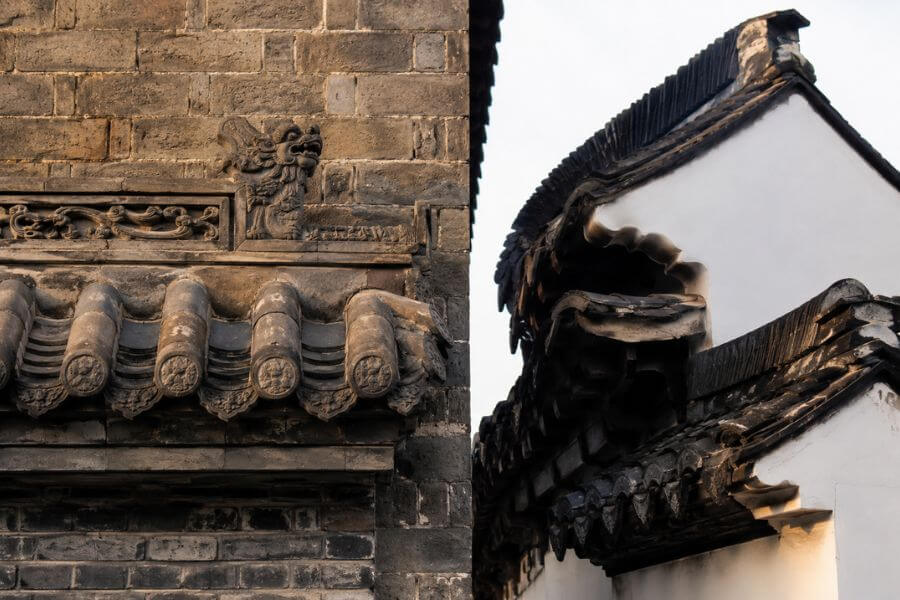
6. Massive Courtyards vs Water Town Living 🏘️
Architecture in northern and southern China looks dramatically different.
Traditional northern homes often include large courtyards surrounded by walls. These homes were designed to protect families from cold winds and create privacy.
Southern China developed compact homes, river towns, and stilt-style buildings in wetter environments. Water towns with canals became common in many southern areas.
In the north, cities can feel wider and more open. In the south, cities often feel denser, greener, and more crowded because of mountains, rivers, and humid landscapes.
Even modern neighborhoods still reflect these old influences.
Visitors often notice that northern cities feel grand and spacious, while southern cities feel layered and busy. The atmosphere changes completely depending on where you are.
7. Straightforward Business vs Relationship Building 💼
Business culture also changes between north and south China.
Northern business style is often described as fast, direct, and aggressive. Meetings can feel blunt, and people may focus heavily on quick decisions and strong negotiation tactics.
Southern business culture tends to emphasize long-term trust and relationship building. Personal connections, patience, and gradual cooperation often matter more.
In southern regions influenced by overseas trade history, business networks became extremely important over generations.
Foreigners sometimes misunderstand these differences. A northern businessperson may seem overly intense, while a southern businessperson may seem difficult to read.
Understanding these regional differences can make a huge difference when working in China.
8. Different Ideas of Beauty and Appearance 👘
Beauty standards can also vary noticeably.
Northern Chinese are often stereotyped as taller, stronger, and having sharper facial features. Southern Chinese are often associated with slimmer body types and softer facial features.
Climate and historical migration patterns helped shape these ideas over time.
Fashion styles can differ too. Northern fashion may lean toward bold luxury brands and dramatic winter outfits. Southern fashion often focuses more on lightweight fabrics, trendy streetwear, and practical clothing for humid weather.
Skin tone preferences, hairstyles, and makeup trends can also shift depending on the region.
These differences may sound subtle at first, but many Chinese people strongly recognize them.
9. Folk Traditions Feel Completely Different 🎭
China’s regional festivals and customs can vary so much that foreigners are often shocked.
Northern festivals often include dragon dances, strong folk music, paper cutting art, and large public celebrations. Many traditions feel energetic and loud.
Southern festivals can include elaborate temple ceremonies, lantern festivals, ancestor worship customs, and unique local rituals tied to river and coastal life.
Food traditions during holidays also change dramatically. Even something as simple as dumplings versus rice cakes during celebrations can reflect regional identity.
Some festivals are famous only in certain provinces and barely known elsewhere in China.
This diversity shows how culturally complex China really is beneath the surface.
10. Rugged Fast Pace vs Relaxed Southern Living 🚄
Many people describe northern China as more intense and fast-paced. Cities like Beijing often feel ambitious, competitive, and serious.
Southern cities such as Chengdu or Guangzhou may feel more relaxed socially despite being economically powerful.
Southern culture often places greater value on enjoying food, social life, tea breaks, and slower daily routines. Northern culture is frequently associated with resilience, discipline, and endurance.
Again, these are broad trends rather than strict rules. But many travelers notice the difference in atmosphere almost immediately.
The pace of life affects everything from work culture to nightlife.
You may feel like you are experiencing two different lifestyles within one country.
Conclusion 🎯
The cultural divide between north and south China is one of the most fascinating parts of the country. While China is politically unified, regional identities remain incredibly strong and deeply rooted in history.
From food and language to personality and business habits, these differences shape everyday life in ways many foreigners never expect. Understanding these contrasts can help you travel smarter, avoid misunderstandings, and appreciate the incredible diversity inside China.
Instead of thinking about China as one single culture, it makes more sense to see it as a collection of regional worlds connected together over thousands of years.
That is exactly what makes exploring China so unforgettable.
Frequently Asked Questions ❓
Is northern China richer than southern China?
Not necessarily. Southern China includes some of the country’s wealthiest and most economically powerful regions, especially Guangdong, Shenzhen, and Shanghai. Northern China also has major economic centers like Beijing and Tianjin.
Why do northern Chinese eat more wheat?
Northern China’s colder and drier climate historically made wheat farming easier than rice farming. This led to noodle and dumpling-based food traditions over many centuries.
Is Mandarin spoken everywhere in China?
Mandarin is the official national language and is taught in schools across China. However, many southern regions still strongly use local dialects and regional languages in daily life.
Are people friendlier in north or south China?
Friendliness depends on personal experience. Northern Chinese are often seen as more openly warm and expressive, while southern Chinese may appear more reserved at first but can build deep, long-term relationships.
Which part of China is easier for foreigners to travel in?
Northern China can be easier for Mandarin learners because accents are usually closer to standard Mandarin. Southern China can be more challenging because of stronger local dialects and linguistic diversity.